WHAT IS AN INTERNAL AUDITOR ?
The Internal Auditor will support management by providing evaluations, advice, and insights on the company's activities under scrutiny. This role encompasses auditing financial records and operations to safeguard assets, foster growth, and ensure regulatory compliance. You will not only examine financial transactions but also gain comprehensive knowledge of the operational and IT controls being audited, advising on enhancing internal safeguards and operational efficiencies.

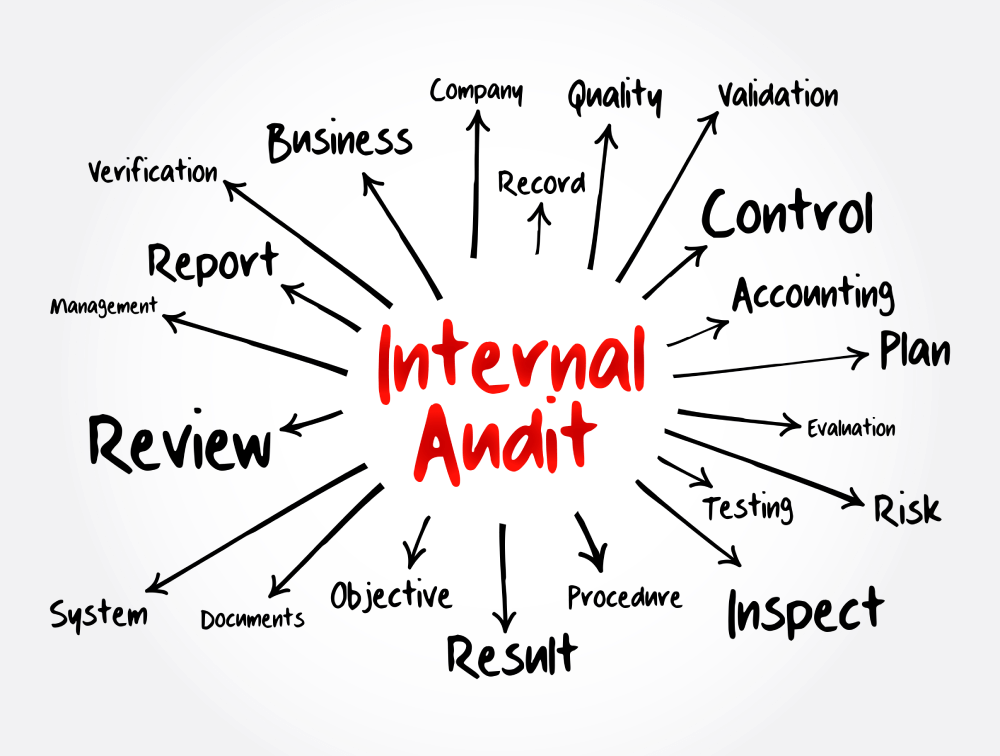
Need-to-Know Overview of an Internal Auditor
1. Internal Auditor Duties and Responsibilities
- Conduct audit work based on established control testing plans and execute in accordance with departmental standards ensuring completion within budgeted time.
- Assist external audit team members in the performance of quarterly and annual audit procedures and walkthroughs of business processes.
- Assist with maintenance of business process documentation and their controls in accordance with Sarbanes-Oxley requirements.
- Develop/contribute to the audit planning process during and subsequent to the audit.
- Review policies, procedures and records for their adequacy to accomplish intended objectives.
- Assist in follow up procedures on recommendations to determine if corrective action has been taken.
- Conduct special projects as requested.
- Perform other activities designated by the Associate Director of Internal Audit, the Audit Committee, the Chief Executive Officer or the Chief Financial Officer.
- Reporting Results and Communication with Management:
- Assist in the development of timely reports on the results of audit examinations.
- Assist in providing executive management and appropriate officers with reports on audit coverage.
- Assist in providing the Audit Committee the status of audit reports issued and other internal audit information on a quarterly basis upon request.
- Interact with various teams when audit expertise is needed or when requested to do so.
- Assist advising departments on audit or control issues when requested.
2. Internal Auditor Requirements and Qualifications
- Bachelor’s Degree in Accounting or Business Administration.
- One to two years public accounting and/or relevant internal audit experience.
- CPA or CIA – Must have a certification or be willing to work towards one.
- Basic knowledge of audit and internal control testing procedures
- Proficient in MS Office
- Excellent verbal and written communication skills
- Able to work independently and as a team member
- Able to build a productive rapport with others (customer service focus).
- Able to interact with associates of all levels regarding the subject under review.
- Detail oriented, inquisitive by nature, with a bias towards learning
Editorial Process and Content Quality
This content is part of Lamwork's career intelligence platform and is developed using structured analysis of real-world job data, including publicly available job descriptions, skill requirements, and hiring patterns.
Lam Nguyen, Founder & Editorial Lead, defines the research framework behind Lamwork's career intelligence platform, including job role analysis, skills taxonomy, and structured career insights.
All content is reviewed by Thanh Huyen, Managing Editor, who oversees editorial quality, content consistency, and alignment with real-world role expectations and Lamwork's editorial standards.
Content is developed through a structured process that includes data analysis, role and skill mapping, standardized content formatting, editorial review, and periodic updates.
Content is reviewed and updated periodically to reflect changes in skills, role requirements, and labor market trends.
Learn more about our editorial standards.