WHAT DOES A 3D ARTIST DO?
What does a 3D Artist do: day-to-day duties across Maya, ZBrush, and Unity pipelines, covering character modeling, PBR texturing, and asset optimization.

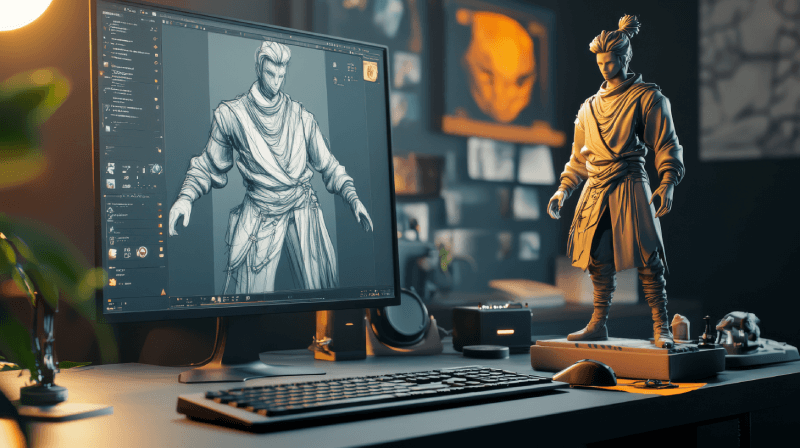
Key Responsibilities of a 3D Artist
1. 3D Modeling & Mobile Asset Optimization
- 3D Modeling: Taking 2D objects and environment concepts and transforming them into 3D game assets.
- Asset Optimization: Delivering high and low-poly 3D models optimized for mobile platforms.
- Art Collaboration: Working with a small team of artists to establish the desired visual style and design direction.
- Workflow Optimization: Implementing efficient workflows to achieve production goals and maintain development consistency.
- Asset Ownership: Modeling and creating a wide range of assets while managing them throughout the development process.
- Team Communication: Communicating effectively with the team regarding requirements, potential issues, and timelines.
- Asset Management: Ensuring project art assets are well organized and comply with technical specifications.
- Adaptability Skills: Maintaining flexibility with unforeseen changes and identifying opportunities for improvement.
Artists entering studios often find that polygon-budget ownership and team communication duties look different from what postings describe, and the 3d artist production resume examples show resumes that frame this day-to-day work in concrete output terms.
2. Unity Animation & Scientific Concept Translation
Particle systems and weight-balance principles convey complex scientific ideas.
- Image Production: Producing images and animations for communication in high-tech industries in collaboration with the team.
- Concept Translation: Translating complex scientific concepts into clear illustrations and animations.
- 3D Animation: Producing all aspects of 3D animation, including modeling, shading, lighting, animation, rendering, and compositing.
- Visual Creation: Producing high-quality images from scratch by combining 2D and 3D techniques.
- Priority Management: Managing priorities by selecting requirements that need to be translated into graphics to convey messages effectively.
- Production Leadership: Overseeing and leading small-scale productions from planning to delivery.
- Client Interaction: Interfacing directly with clients during production to ensure alignment and feedback integration.
- Unity Animation: Creating basic object and particle animations demonstrating understanding of weight, balance, and form using Unity.
- Lighting Rendering: Working on realistic lighting and rendering to enhance visual quality.
- Problem Solving: Engaging in technical and aesthetic problem-solving to improve outputs and workflows.
3. High-Poly & Low-Poly Character Modeling
- Character Creation: Creating male and female characters as well as various creatures and animals.
- 3D Modeling: Designing and creating high-poly and low-poly 3D models.
- Art Direction: Working closely with the Art Director to achieve the expected level of visual quality.
- Artist Mentoring: Coaching and supporting junior artists to improve skills and performance.
- Cross-functional: Communicating with other departments to understand their needs and requirements.
- Team Leadership: Leading within the 3D modeling team to guide quality and direction.
- Workflow Coordination: Coordinating guided workflow processes across the 3D team.
- Team Collaboration: Facilitating collaboration with modelers, product owners, and designers to solve complex feature challenges.
- Scene Development: Architecting, designing, modeling, and exporting detailed scenes.
4. VR/XR Asset QA & Database Management
- 3D Modeling: Delivering 3D models optimized for mobile games.
- Animation Creation: Creating object and character animations for interactive experiences.
- Art Leadership: Leading and making decisions regarding game art for assigned projects.
- Asset Management: Managing the catalogue of 3D elements to ensure organization and accessibility.
- Database Management: Extending and managing the 3D asset database based on customer feedback.
- Interactive Modeling: Modeling interactive 3D elements for immersive applications.
- Quality Assurance: Conducting testing of models, software features, and virtual scenes in VR environments.
- Asset Acquisition: Managing 3D asset acquisition and communicating with external modelers and suppliers.
- VR XR Development: Working with state-of-the-art VR and XR hardware.
5. Prop & Environment Design for Game Features
- Art Collaboration: Collaborating with a small team of artists to ensure the digital toy's visual excellence.
- Feature Development: Developing engaging game features with designers, programmers, and other professionals, focusing on aesthetics and functionality.
- 3D Asset Design: Designing and modeling high-quality 3D assets, including props, character assets, and environments.
- Environment Exploration: Exploring environmental and technological elements such as rainy weather simulation and in-game technology operations.
- Game Contribution: Contributing comprehensively to the game development process as a key member of the team.
- Work Environment: Integrating into a collaborative office environment with a warm, playful, and open atmosphere.
- Team Engagement: Participating in team building and leisure activities, including trading collectibles, watching shows, and gaming sessions.
- Model Improvement: Unifying and improving models while gathering critical feedback from peers.
6. Reality Capture & Substance Painter Pipelines
- Photogrammetry Capture: Taking photos of variable objects using photogrammetry techniques to derive models and textures with Reality Capture and Agisoft Photoscan.
- Portfolio Development: Demonstrating a strong portfolio that showcases all aspects of artistic and technical skills.
- Skill Development: Proactively learning and developing new skills to enhance performance and adaptability.
- Work Flexibility: Working effectively both independently and as part of a collaborative team.
- Art Direction: Working closely with the Art Director to improve artistic quality and visual fidelity.
- Team Leadership: Leading, mentoring, and growing the 3D art team through guidance and constructive feedback.
- Process Collaboration: Collaborating with other departments to establish best practices for new features and production pipelines.
- 3D Software: Creating assets using Maya, ZBrush, and Substance Painter.
- Engine Development: Working within the Unity 3D engine for implementation and optimization.
- Genre Innovation: Establishing and contributing to the growth of a new genre in the video game industry.
7. Real-Time Asset Development & Pipeline Collaboration
- Creative Development: Using independent judgment and creativity to generate imaginative 3D content, including characters, vehicles, environments, and interface objects.
- Asset Development: Producing all aspects of asset development, including high-resolution models, low-resolution models, and textures for real-time engines.
- Pipeline Collaboration: Collaborating with designers and animators to develop runtime 3D data procedures and production pipelines.
- Technical Expertise: Demonstrating expert understanding of next-generation game asset development processes, limitations, and dependencies.
- Communication Skills: Applying strong communication, time management, and organizational skills in daily work.
- Feedback Culture: Actively accepting and providing feedback with other artists to improve quality.
- Work Ethic: Maintaining a task-driven, self-motivated, and proactive approach to responsibilities.
- Deadline Management: Performing effectively under deadlines while maintaining quality and consistency.
8. Character Rigging & Unity Scene Setup
- Character Animation: Assisting with animating human characters to convey realistic movement patterns and expressions for fitness applications.
- Scene Setup: Setting up, creating, and lighting scenes, prefabs, and assets for real-time environments.
- 3D Production: Rigging, modeling, and texturing real-time environments, character models, and props.
- Asset Optimization: Creating efficient assets optimized for real-time presentation and performance.
- Pipeline Support: Collaborating to maintain and improve the existing art production pipeline.
- Art Review: Participating in art reviews and responding effectively to feedback and art direction.
- Issue Resolution: Troubleshooting art issues from both creative and technical perspectives.
- Visual Design: Designing and creating visual elements, including characters, environments, props, and textures.
- Unity Integration: Setting up and integrating assets within the Unity engine.
9. Art Pipeline Development & Concept Drafting
- Art Collaboration: Working closely with the Art Director on multiple aspects of game art production, including 3D characters and 3D buildings.
- Pipeline Development: Creating and maintaining art pipelines to support efficient production workflows.
- Concept Design: Producing concept art and 2D drafting to support visual development.
- Gameplay Modeling: Creating models for various gameplay elements to support functionality and design.
- Model Optimization: Optimizing, revisiting, and modifying existing objects and models to improve performance and quality.
- Unity Integration: Importing 3D assets into the Unity engine for implementation.
- Quality Control: Maintaining high quality while adhering to design constraints and balancing real-time performance.
- Team Communication: Communicating and collaborating effectively with the team, Art Director, and production lead.
10. AR Polycount Optimization & Maya/ZBrush Hard Surface
- 3D Production: Using modeling, texturing, mapping, and related techniques to create graphics, visual effects, and animations.
- Model Creation: Creating hard surface and organic models using Maya and ZBrush.
- AR Optimization: Optimizing polycounts and texture sizes for optimal AR experiences.
- Brief Interpretation: Interpreting briefs efficiently and pitching ideas clearly to the creative team.
- Issue Resolution: Troubleshooting problems that arise during project execution.
- Visual Composition: Ensuring each frame conveys clear scope, weight, and meaning.
- Video Editing: Manipulating and editing film pieces seamlessly to maintain audience immersion.
- Media Integration: Integrating music, dialogue, graphics, and effects into final outputs.
- Process Improvement: Continuously adopting new editing technologies and industry best practices to improve efficiency.
11. Substance Painter Texturing & Brand Extension
- Texture Creation: Creating physically based textures using Substance Painter and Photoshop.
- Cross-functional: Working closely with engineering and design teams to craft rich user experiences.
- Asset Collaboration: Collaborating with art directors, clients, and developers to produce 3D assets aligned with product needs.
- Trend Awareness: Keeping up to date with modern trends and techniques in real-time 3D development.
- Technology Strategy: Thinking proactively about how 3D technology can address emerging market needs.
- Project Execution: Taking projects from concept to final delivery with high quality and polish.
- Brand Consistency: Extending internal brand standards into 3D assets to ensure consistency across products.
- Asset Archiving: Cataloging and archiving generated assets for future use.
12. Character Asset Pipeline & Platform Budget Prototyping
- Art Vision: Contributing to the overall art vision for character development.
- Production Management: Ensuring all aspects of character art production are completed on time and meet high-quality standards.
- Technical Documentation: Creating documentation and technical guides to communicate workflows and improve efficiency.
- Technology Prototyping: Prototyping new technologies and defining platform budgets based on technical requirements.
- Character Creation: Creating a substantial portion of character assets aligned with the established art vision.
- Asset Pipeline: Developing character assets from initial concept through final implementation and testing.
- Cross-functional: Working closely with art, design, and code teams to gather and understand character requirements.
- Team Coordination: Working within the character team while reporting to the Art Lead and following regular art direction.
13. CAD-to-3D Production & Adobe Premiere Post-Production
- 3D Production: Producing 3D models from product CAD drawings and managing additional 3D assets.
- Rendering Animation: Using specialized software to create photorealistic renderings in both image and video formats.
- Visual Support: Supporting the creation of visuals for gamified e-learning experiences in collaboration with cross-functional teams.
- Video Editing: Editing videos using Adobe Premiere Pro and performing post-production in Adobe After Effects.
- Marketing Collaboration: Collaborating with marketing teams to source stock footage, photography, and 2D and 3D assets.
- Brand Alignment: Ensuring all produced content aligns with corporate brand guidelines through close team collaboration.
- Engine Experience: Applying advanced experience working within the Unity 3D engine.
- Rigging Knowledge: Applying basic rigging knowledge in asset preparation and animation workflows.
- Tool Usage: Using Jira for task tracking and project coordination.
The salary trajectory, Autodesk certification paths, and the progression from Mid-Level to Lead 3D Artist are laid out in the full 3d artist career overview and salary guide
14. Mobile Game Asset Rigging & Storyboard Creation
Low and high-poly rigging cycles feed mock-up and storyboard review with product managers.
- 3D Asset Creation: Creating and implementing essential 3D assets to support mobile game development success.
- Game Collaboration: Actively participating in the game creation process with designers and art directors.
- Rigging Animation: Animating and rigging models for in-game use.
- Trend Awareness: Tracking and applying the latest trends in graphics and game art disciplines.
- Model Production: Creating low and high-poly models and performing rigging and animation for in-game assets.
- Team Coordination: Collaborating closely with developers and product managers throughout production.
- 2D Asset Design: Creating 2D assets to support game visuals and user experience.
- Graphic Design: Designing graphics for banners and end cards.
- Storyboard Creation: Creating mock-ups and storyboards using existing assets.
15. ZBrush Retopology & LOD Generation
- 3D Modeling: Demonstrating strong modeling skills using ZBrush and Autodesk Maya.
- Low Poly Modeling: Creating clean low poly models with proper scale, vertex snapping, naming conventions, grouping, and optimized topology.
- Scan Cleanup: Cleaning mesh and textures of raw 3D scans using ZBrush and Mudbox.
- Retopology Skills: Performing retopology on cleaned 3D scans to ensure efficient geometry.
- LOD Creation: Creating high and mid poly models and generating levels of detail based on defined poly budgets.
- Reference Adaptation: Following design references closely and capturing details accurately across various visual styles.
- Style Variation: Creating alternate visual styles aligned with client vision and project requirements.
- UV Mapping: Laying out UVs with uniform texel density to maximize texture detail and visual quality.
- Texture Editing: Using Photoshop to create and edit textures within production workflows.
- Reporting Skills: Delivering weekly and monthly reports on completed work and progress.
- Project Coordination: Coordinating with the Design Project Manager to ensure alignment and task completion.
- Workflow Improvement: Providing strategic input to improve workflows based on production experience.
16. Marketing Asset Texturing & KPI-Aligned Production
- 3D Modeling: Creating high-quality 3D models to support marketing needs and visual campaigns.
- Asset Preparation: Preparing and texturing assets for key visuals, posing, and rendering characters and items.
- Marketing Collaboration: Collaborating closely with marketing managers throughout asset production.
- Creative Ideation: Participating in brainstorming and conceptual sessions to support analytical and creative development.
- Performance Awareness: Considering KPIs and relevant metrics when producing artwork to align with business goals.
- Pipeline Standards: Maintaining high standards within the production pipeline for consistency and efficiency.
- Quality Control: Ensuring all quality standards and project deadlines are consistently met.
- Stakeholder Communication: Establishing communication with external stakeholders to support project alignment.
- Partner Coordination: Collaborating with external partners and agencies to maintain efficient working relationships.
- Process Improvement: Challenging existing processes and contributing ideas to enhance workflow and outcomes.
- Value Alignment: Applying company values to daily work practices and team interactions.
- Team Contribution: Sharing passion and contributing to a results-driven and feedback-oriented team environment.
17. PTC Creo PolyTrans Integration & Medical Visualization
- Project Management: Overseeing project timelines, client interactions, and development of 3D marketing collateral, including images and animations.
- Engineering Integration: Utilizing .obj, .asm, and .prt files from Product Engineers in PTC Creo Parametric and importing into Maya via PolyTrans for 3D visualization.
- Medical Visualization: Creating photorealistic 3D animations and still renderings of surgical techniques, instruments, anatomy, and microscopic organic materials.
- Motion Graphics: Using After Effects and secondary motion graphics tools to create presentations explaining product use and efficacy.
- Brand Collaboration: Partnering with internal clients and creative teams to produce promotional videos with integrated 2D and 3D graphics.
- Multi-Project Management: Managing multiple projects simultaneously while meeting tight deadlines and production requirements.
- Presentation Delivery: Participating in group meetings and facilitating business-related presentations for stakeholders.
- Regulatory Compliance: Adhering to the company's code of conduct, industry standards, and all applicable compliance regulations.
- Training Compliance: Completing required training and maintaining up-to-date knowledge of applicable laws and regulations.
- Professional Conduct: Representing the company professionally and upholding high standards of ethical and socially responsible behavior in all interactions.
18. Live Service Content & Visual Planning for Animation
- Art Production: Creating and producing artwork according to direction from the Art Lead, Designer, and Producer.
- Project Reporting: Reporting project status to all stakeholders across studio functions.
- Player Advocacy: Acting as an advocate for the player experience throughout development decisions.
- Team Collaboration: Working within a small, motivated development team.
- Live Service Development: Developing and refining content to support a live service roadmap.
- Workflow Improvement: Implementing improvements to workflows and production tools.
- Cross-Functional Relations: Building and enhancing relationships with development and game design teams.
- Visual Planning: Planning, analyzing, and creating 3D visual solutions for animation projects.
- Graphic Design: Combining hand drawing and computer tools to produce special effects and action graphics.
- Concept Sketching: Preparing sketches and layouts for team presentation and review.
- 3D Creation: Creating three-dimensional models, animations, and visual effects for production use.
19. 3ds Max V-Ray Shading & AR/VR Knowledge Sharing
- 3D Asset Production: Creating and delivering high-quality 3D assets in a cost-effective and timely manner from photographic and dimensional sources.
- High Poly Modeling: Creating high poly geometry in 3ds Max with photorealistic V-Ray shaders and accurate UVW mapping.
- Cross-functional: Working closely with merchandising and creative teams to maintain product quality standards.
- Asset QA: Performing quality assurance on existing model libraries and correcting assets through remodelling and texturing.
- Library Management: Maintaining and optimizing the 3D asset library, including file structure organization and upkeep.
- Pipeline Innovation: Collaborating with senior 3D artists and creative directors to innovate and streamline production workflows.
- Process Optimization: Continuously improving asset production processes to maximize efficiency.
- LOD Creation: Creating characters, clothing, accessories, and props at multiple levels of detail according to technical guidelines.
- Fidelity Maintenance: Maintaining high perceived fidelity across multiple platforms using advanced 3D pipeline expertise.
- Knowledge Sharing: Sharing experience with researchers and engineers to advance AR and VR research and user experience development.
20. Modular Kit Creation & Cross-Platform Optimization
- Environment Creation: Working in collaboration with the production team and level art lead to develop game environments.
- 3D Asset Creation: Creating high-quality backgrounds, environments, and modular kits, including organic, mechanical, and architectural elements for mobile platforms.
- Optimization Skills: Producing assets with multiple optimization levels for cross-platform game development.
- Technical Adaptation: Adapting and sharing experience with new tools and production techniques to improve workflow efficiency.
- Art Direction: Following artistic directives, design choices, and technical limitations to ensure consistent visual quality.
- Work Organization: Demonstrating strong organization and attention to detail across assigned tasks and deliverables.
- Task Ownership: Taking responsibility for assigned tasks and ensuring proper follow-up throughout the project.
- Creative Technology: Partnering with the creative technology team to generate real-time-ready assets.
- Workflow Research: Investigating new workflows, tools, and efficiencies to improve production pipelines.
- Technical Problem Solving: Solving technical issues in personal work and supporting teammates in resolving production challenges.
21. AAA Concept Illustration & CG Render Collaboration
- Concept Illustration: Demonstrating strong versatility and talent in concept and illustration from rough sketches to fully rendered AAA quality pieces.
- Style Adaptation: Working effectively within technical and project constraints while creating assets across multiple visual styles.
- Problem Solving: Addressing creative and technical issues as they arise during production.
- Art Collaboration: Working closely with other artists and art directors to ensure visual consistency and quality.
- Art Validation: Participating in artistic validation sessions to maintain high artistic standards.
- Deadline Management: Determining and respecting production deadlines in coordination with the production department.
- Team Participation: Actively participating in team and department meetings to support project development.
- CG Collaboration: Collaborating with the CG team to produce high-quality renders.
- Design Partnership: Partnering with designers and creative directors to create style frames and designs for project pitches.
22. UA Advertising Pipeline & LiveOps Asset Upscaling
- 3D Content Pipeline: Contributing to an efficient pipeline of 3D content for UA advertising, app store assets, social, community, and LiveOps marketing.
- Cross-functional: Collaborating with art leads, art directors, motion graphic designers, and graphic designers to deliver effective 3D marketing content.
- Scene Composition: Creating 3D scene composition for advertising and marketing executions.
- Rigging Animation: Performing character and object rigging and animation for marketing use cases.
- Asset Upscaling: Upscaling and enhancing in-game models, textures, rigs, and animations for marketing purposes.
- Process Improvement: Identifying production inefficiencies and recommending pipeline improvements.
- Feedback Participation: Participating in reviews and responding professionally to feedback while providing constructive input.
- Brand Alignment: Acting as an ambassador of the company's mission, vision, and values in all production activities.
- Fast Production: Creating high-quality 3D and 2D assets under fast-paced deadlines.
- Technical Art: Demonstrating strengths in modeling, texturing, and lighting of 3D assets.
- Unity Implementation: Organizing and implementing assets within the Unity 3D game engine.
- Team Collaboration: Collaborating with artists and programmers to solve art and game design challenges.
- Concept Sketching: Producing concept sketches and quick edits to communicate artistic ideas with the team.
23. Cinematic VFX & In-Game Replay Capture
- Cinematic Production: Creating 3D cinematic videos from scene building through animation, modeling, lighting, and VFX to deliver approved concepts.
- Scene Composition: Creating compelling scenes with strong pacing, camera work, motion, action, and atmosphere.
- In Game Capture: Learning to build content from in-game assets such as replays and gameplay capture for video production.
- Creative Collaboration: Working closely with directors, leads, and artists across departments to brainstorm and pitch cinematic ideas.
- Concept Communication: Quickly conceptualizing and communicating ideas for stakeholder approval.
- Brand Development: Advancing visual style, themes, and brand identity across game titles.
- Asset Management: Maintaining an organized archive of scenes, shots, and 3D assets for internal and external use.
- High Poly Modeling: Creating high-resolution 3D sculpts and final low-polygon game assets.
- Texture Creation: Producing textures using a variety of styles and techniques for diverse visual needs.
- Art Direction: Collaborating with product managers and designers to establish and drive the art vision.
- Rigging Animation: Rigging, animating, and delivering export-ready files for production pipelines.
- Quality Assurance: Maintaining overall visual quality while ensuring assets meet performance and memory constraints for HTML5 games.
24. Market Research & Technology Exploration for Game Art
- 3D Asset Creation: Creating 3D assets and models for environments, characters, and props.
- Cross-functional: Collaborating closely with art, product, and development teams to ensure aligned production outcomes.
- Concept Development: Designing and evolving artwork from initial concept through to final production.
- Market Research: Researching and analyzing market trends to inform concept direction, art style, and game feel.
- Technology Exploration: Working with new technologies to create high-quality and visually compelling game art.
- Game Contribution: Contributing to all aspects of game development, including design, logic, player experience, graphics, and UI.
- Idea Generation: Contributing new ideas for game design, features, and project improvements.
- Experience Design: Working closely with engineering and design teams to craft rich user experiences.
- Creative Collaboration: Collaborating with creative directors, art directors, clients, and developers to deliver production-ready 3D assets.
- Trend Awareness: Staying up to date with industry trends and proactively exploring emerging 3D technologies.
- Project Delivery: Taking projects from concept to completion with high craft quality and visual polish.
- Brand Consistency: Extending internal brand standards into 3D production to ensure visual consistency across products.
25. Foster Buildings Visualization & CAD Retopology
- 3D Visualization: Assisting the team in creating 3D digital artwork that depicts and influences design proposals for Foster buildings and products throughout project stages.
- Design Communication: Communicating effectively with Foster Plus Partners design teams to produce artwork for competitions and innovative design projects.
- Work Autonomy: Working independently and collaboratively within a creative team environment.
- Professional Skills: Demonstrating professionalism, strong communication, attention to detail, and a strong eye for design and composition.
- Workflow Management: Supporting team efficiency through workflow optimization, library maintenance, and asset archiving.
- Standards Compliance: Following Foster Plus Partners procedures and production standards with full compliance.
- Real Time Assets: Creating 3D digital assets, including models and visual content for real-time engine use.
- CAD Conversion: Retrieving and converting CAD data for CGI production and retopology workflows.
- Technical Art: Applying modeling, UV mapping, texturing, and lighting techniques to create interactive digital product models.
- Stakeholder Communication: Communicating with cross-functional stakeholders to gather requirements and ensure accurate delivery of 3D models.
- Quality Control: Ensuring ongoing model quality and performance across production pipelines.
- Agile Participation: Participating in daily Agile operations, including standups, task tracking updates, and progress communication.
Translate the modeling, UV mapping, and real-time engine work covered on this page into a resume that reads as a strong match
Editorial Process and Content Quality
This content is developed by the Lamwork Editorial Team using structured analysis of real-world job data, skill requirements, and hiring patterns.
Research framework by Lam Nguyen, Founder & Editorial Lead.
Reviewed by Thanh Huyen, Managing Editor.
Learn more about our editorial standards.