WHAT DOES A PHLEBOTOMIST DO?
Updated: Dec 18, 2025 - The Phlebotomist carries out precise and safe specimen collection while adhering to rigorous identification and infection-control protocols. This role supports dependable diagnostic testing by ensuring accurate labeling, careful handling, and proper processing of all samples. The individual also enhances the patient experience through effective communication, reassurance, and consistent professionalism.

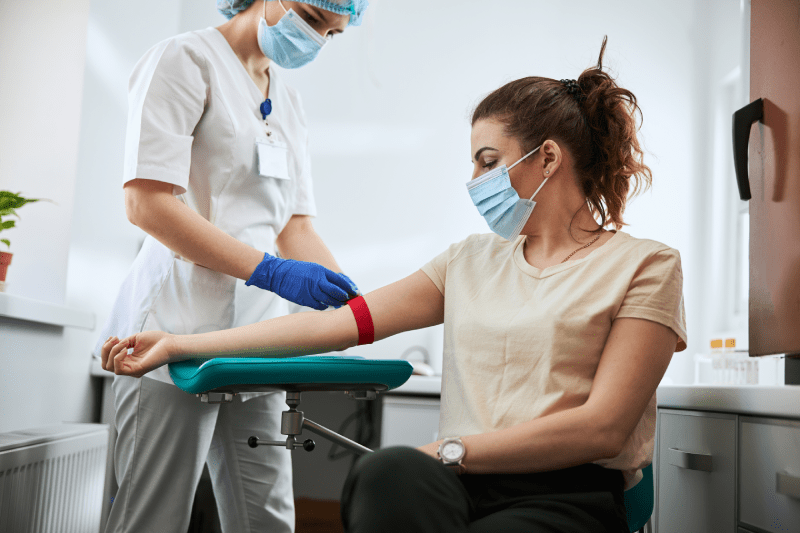
A Review of Professional Skills and Functions for Phlebotomist
1. Phlebotomist Duties
- Blood Drawing: Draws blood specimens from the patients of the clinic for laboratory analysis
- Tube Verification: Ensures the sample is drawn from the proper tube, labeled correctly, and the patient is appropriately identified
- Order Verification: Verifies patient information and laboratory orders and ensures the patient signs appropriate contracts for the Clozapine Monitoring Program
- Behavior Reporting: Uses patient condition forms when out in the field to document any patient changes in behavior and reports these observations to the pharmacist, case managers, nurses, and doctors
- Medication Labeling: Labels and manages PAP medications, ensuring medications are delivered to the appropriate clients
- Specimen Transport: Transports medications and specimens using a personal vehicle
- Timely Draws: Demonstrates timeliness in completing scheduled blood draws at clinics and remains available for courtesy blood draws at designated clinics
- Pathogen Compliance: Adheres to blood-borne pathogen standards and biomedical risk standards as outlined in the guide on phlebotomy techniques
- Infection Compliance: Ensures compliance with Infection Control Policy
- Staff Support: Provides medical staff with non-technical as well as limited technical and procedural support
- Lab Housekeeping: Performs laboratory housekeeping tasks including keeping shelves stocked and supply areas clean
- Knowledge Updating: Updates professional knowledge and proficiency through continuing education, staff meetings, training, etc.
- Regulation Knowledge: Demonstrates knowledge of federal and state laws and regulations governing phlebotomist practices
- First Aid Knowledge: Exhibits knowledge of basic first-aid procedure
- Patient Sensitivity: Exercises tact when dealing with mental health patients and being sensitive to timing, situations, and confidential relationships
2. Phlebotomist Details
- Specimen Collection: Collects laboratory specimens to include blood, throat and nasal cultures, urine, urine drug screens, and invasive nasopharyngeal swab collections from patients of all ages in accordance with accepted laboratory standards, policies, and procedures
- Specimen Integrity: Ensure optimal specimen integrity and accurate test results
- Specimen Processing: Triages and processes specimens efficiently and accurately according to policy and procedure
- EKG Testing: Performs EKG testing, ensuring accurate results from computerized electrocardiograms and rhythm strips for Cardiologist interpretation
- Lab Analysis: Performs limited laboratory test analyses under general supervision in all areas of the lab
- Phlebotomy Competency: Maintains competency in phlebotomy skills and assists in the orientation and training of newly hired phlebotomists and processing personnel
- Participant Screening: Assist with study participant screening, admission, orientation, conduct, and discharge
- Event Reporting: Assess, document, and notify appropriate project team members of study participant adverse events promptly
- Clinical Assistance: Assist other clinical staff with study-related duties (e.g., laboratory draws, electronic data capture entry, queries, follow-up appointments)
- Study Coordination: Coordinate studies including working with the research team on the development of overall study processes in accordance with the protocol
- Consent Handling: Obtain informed consent, conduct study visits, and maintain accurate investigational drug accountability when dispensing study drug
3. Phlebotomist Responsibilities
- Patient Identification: Identifies patient, observes the correct procedure for venipuncture, collects and labels specimens exactly as outlined in each medical requisition
- Label Printing: Accurately prints collection batch and labels for phlebotomy collections
- Infection Control: Adheres to infection control standards, properly handles each specimen, and ensures every specimen is delivered to the laboratory promptly per laboratory protocol
- Sendout Processing: Accurately processes specimens for send-out according to appropriate procedures, ensuring timely processing and dispatch
- Process Improvement: Actively participates in departmental process improvement
- TAT Compliance: Adheres to turnaround time (TAT) guidelines for STAT and routine tests
- HIPAA Compliance: Ensures HIPAA compliance and regulatory standards
- Patient Empathy: Empathizes with the patient and support systems, expressing compassion and appropriate cultural awareness
- Caring Behavior: Engages in caring behaviors, taking conscious ownership of work and thoughtful actions in interactions with patients, families, physicians, and co-workers
- Call Handling: Receives and handles calls, documents issues, and escalates to Lead/Supervisor
- Supply Management: Manages supplies including inventory, ordering, receiving, and stocking
- Specimen Delivery: Picks up and delivers all laboratory samples/specimens to the departments for testing
- Report Distribution: Prints and delivers/faxes lab reports on time
4. Phlebotomist Job Summary
- Specimen Collection: Follows established SOP and age-specific techniques for the collection of biological specimens for analysis and evaluates and solves problems related to that process
- Venipuncture Skills: Performs accurate venipuncture and micro (capillary) techniques in sample collection
- Patient Observation: Observes the emotional and physical state of the patient for any adverse reactions to phlebotomy
- Sample Processing: Performs assigned patient-sample processing activities
- Specimen Processing: Follows established SOP for the processing of biological specimens for analysis and evaluates and solves problems related to that process
- Tube Operation: Operates the pneumatic tube system properly and observes all infection control policies while handling specimens
- Specimen Distribution: Provides timely distribution of specimens to appropriate laboratory sections
- Record Maintenance: Maintains accurate and orderly log records and worksheets according to SOPs
- Area Organization: Keeps the work area free from personal documents and items
- Phone Handling: Answers the phone professionally and courteously, speaking to the caller in a caring manner
- Caller Assistance: Answers questions or refers callers to the appropriate source
5. Phlebotomist Accountabilities
- Call Management: Avoids putting the caller on hold or transferring the call unnecessarily
- Data Confidentiality: Maintains the confidentiality of health information on all patients
- Inquiry Research: Researches phone inquiries regarding specimen collection or test results by referencing available manuals and records and calls the caller back promptly
- Test Requirements: Understands collection requirements for special or referral testing
- Specimen Preparation: Prepares specimens, ensures the integrity and correctness of the sample, and arranges for the dispatch and pick-up of specimens
- Minutes Review: Keeps current with laboratory minutes and documents changes
- Inventory Control: Maintains inventory of equipment and supplies and notifies the Supervisor of re-order needs
- Staff Instruction: Assist with the instruction of procedures and techniques to other employees and students
- Temperature Checks: Performs daily temperature checks on rooms, refrigerators, freezers, incubators, and performs preventive maintenance on centrifuges
- Professional Conduct: Projects an image of professionalism in appearance and conduct at all times
- Team Collaboration: Works well with peers and those in authority
- People Standards: Works to promote PEOPLE standards
- Staff Relations: Promotes patient and staff relations and displays pride in work
- Regulation Compliance: Complies with Hospital, Laboratory, Safety, and HIPAA regulations
- Hazard Reporting: Notifies Supervisor or Safety Officer of hazards when found and completes annual mandatories on or before the due date
Editorial Process and Content Quality
This content is developed by the Lamwork Editorial Team using structured analysis of real-world job data, skill requirements, and hiring patterns.
Research framework by Lam Nguyen, Founder & Editorial Lead.
Reviewed by Thanh Huyen, Managing Editor.
Learn more about our editorial standards.