CONTROLS SYSTEMS ENGINEER SKILLS, EXPERIENCE, AND JOB REQUIREMENTS
Updated: Jan 01, 2025 - The Controls Systems Engineer has proven experience developing automated machine software using ladder logic, function block, and text-based PLC languages, with a strong background in Siemens, Allen-Bradley, or Beckhoff control systems. This role requires extensive expertise in creating HMI/SCADA systems with Wonderware Intouch, aligning with EEMUA 191 and ISA101 standards, and integrating robotic systems like Kuka or Motoman with industrial control networks such as EtherCAT and EtherNet/IP. The engineer is also adept in technical writing, documentation, and interpreting mechanical drawings and electrical schematics for comprehensive system development.
Essential Hard and Soft Skills for a Standout Controls Systems Engineer Resume
- PLC Programming
- HMI Development
- SCADA Systems
- Control System Design
- Automation Engineering
- Instrumentation
- PID Control
- Electrical Schematics
- Network Protocols
- Robotics Integration
- Problem-Solving
- Communication
- Attention to Detail
- Teamwork
- Analytical Thinking
- Project Management
- Time Management
- Adaptability
- Decision-Making
- Critical Thinking

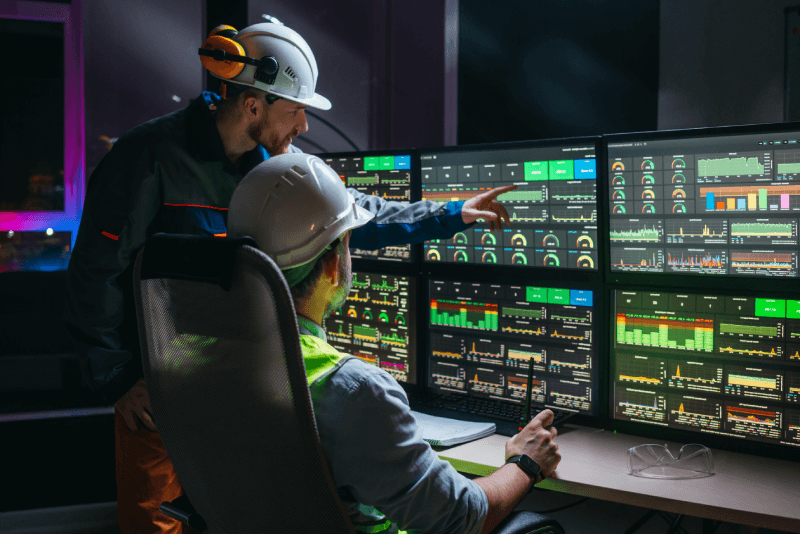
Summary of Controls Systems Engineer Knowledge and Qualifications on Resume
1. BS in Automation Engineering with 6 years of experience
- Experience within an industrial controls environment which includes PLC programming, I/O, communication networks and AC, DC, single/three-phase
- Experience with Rockwell Automation Software, Allen-Bradley RS Logix PLC software
- Experience with Conveyors, and Sorter systems and a detailed understanding of the Process Flow of Fulfillment Centers
- Demonstrate electrical knowledge of 24v AC/DC control circuits, electrical knowledge of 120v power and control circuits, and knowledge of 277v-480v power circuits.
- Must be able to wire up and successfully operate a 3-phase motor.
- Demonstrate the use of digital multimeter and functions.
- Ability to read, understand and interpret electrical, pneumatic, and plumbing schematics, along with the ability to understand and interpret mechanical and architectural drawings.
- Experience with conveyor mechanical systems (belts, drives, tracking belts, encoders)
- Experience with electrical theory, Robotics, Controls components, automated equipment
- Experience with networked VFDs (EtherNet, DeviceNet)
- Must be available 24/7 for emergencies.
2. BS in Control Systems Engineering with 10 years of experience
- Industry experience in the area of control systems design
- Experience in the development of noise-cancelling headphones from research through manufacturing
- Expert in data acquisition and acoustic measurements
- Working knowledge of adjacent disciplines such as Acoustical, Mechanical, and Electrical Engineering as well as Software and Firmware Engineering.
- Deep understanding of classic and modern control system theory and stability analysis
- Comfortable using engineering judgment in developing and implementing real-time, low-latency algorithms on engineering prototypes for rapid innovation
- The ability to adapt resiliently to rapidly changing constraints and requirements, while maintaining the highest performance standards
- Demonstrated invention, leadership and communication skills
- Expert knowledge of MATLAB
- Additional high-level programming skills (C++, C#, Python, etc.)
- Have a passion for audio and listening
3. BS in Electronics Engineering with 7 years of experience
- Relevant industry experience in developing automation and control systems, including their integration with upper-level control systems (WMS/WCS)
- At least three life cycles of large-scale control system experience (Design, Development, Deployment & Support) utilizing Rockwell PLC programming (i.e. RSLogix/Studio5000)
- Proven hardware mechatronics development experience, including electrical panel design, wiring schematics and sensor selection
- Ability to design, program and implement HMIs in a variety of methodologies
- Field startup and commissioning experience
- Field/Control/Plant network integration experience
- Project and vendor management experience
- Experience with additional PLC programming platforms (CodeSys, Siemens, etc.)
- Experience with robotics programming (Fanuc, ABB, etc.)
- Experience with machine vision programming (Cognex, Keyence, etc.)
4. BS in Electrical Engineering with 6 years of experience
- Knowledge of controls engineering foundations, including feedback control, linear/nonlinear control, multivariable control, system identification and optimization.
- Understanding of thermodynamics, dynamic system modeling, and analysis of dynamic systems.
- Understanding and experience in model-based design methodology, model-based system engineering and model-based toolchains.
- Familiarity with MATLAB/Simulink/Stateflow.
- Familiarity with MATLAB/Simulink auto code generation.
- Knowledge of dynamic system simulation of controls and equipment using physics-based or data-driven models.
- Experience in control algorithm design and application to real-world problems.
- Familiarity with Model/Software /Hardware in the loop and rapid prototyping.
- Experience with product lifecycle management tools, such as IBM Jazz Suites – DNG, RTC and RQM (version control, testing/quality management).
- Experience with UML/Rhapsody and/or other architecture tools.
5. BS in Electrical Engineering with 5 years of experience
- Experience with motion control systems including servo
- Familiarity with the implementation of the PackML standard and OEE data
- Experience with AutoCAD Electrical
- Knowledgeable in the design and implementation of control networks (Ethernet IP, Socket services and field bus architectures)
- Experience with messaging protocols (preferably MQTT)
- Excellent verbal and written communication skills
- Knowledge of control system diagnostics algorithms and their design process.
- The ability to write specifications, test plans and document designs.
- Strong interpersonal skills
- Ability to manage multiple tasks simultaneously
- Actively seeking opportunities to apply new techniques such as estimation, machine learning, and other data-driven methods to improve control design and better development process.
6. BS in Mechanical Engineering with 4 years of experience
- Electrical Engineering experience
- Experience with the design and/or implementation of controls, especially related to vehicle controls/diagnostics/communication
- Experience with software and/or hardware validation efforts, other low-level software verification, and related documentation
- Ability to work efficiently in a fast-paced development environment
- Experience in effective problem-solving and troubleshooting
- Experience with communication networks, CAN and J1939
- Experience with gauge and/or display development
- Familiarity with requirement and test case management in a requirement/software development database as well as configuration management
- Experience in project management
- Must be detail-orientated.
- Ability to maintain confidentiality on sensitive projects.
7. BS in Industrial Engineering with 5 years of experience
- Knowledge and experience with Rockwell Automation Products, Fanuc Robotics, and automated assembly cells
- Experience with 2D CAD Electrical Engineering ( AutoCAD Electrical).
- Ability to maintain a professional appearance and demeanor at all times.
- Remain flexible while working in a fast-paced, frequently changing environment.
- Knowledge of Allen Bradley PLC design and programming - GuardLogix, ControlLogix, MicroLogix, RSLogix 5000
- Experience with Robot simulation, teaching & programming - FANUC, ABB and Motoman
- CAD experience - AutoCAD Electrical
- Knowledge of HMI - Panel View, Factory Talk View
- Siemens, Omron, or other programming skills
- Nachi, ABB, Motoman, Kuka robot skills
8. BS in Systems Engineering with 4 years of experience
- Successful experience in related fields and successful demonstration of key qualifications.
- Demonstrate expertise in developing automated machine software using ladder logic, function block and text-based PLC languages.
- Experience developing automation systems using Siemens, Allen-Bradley, or Beckhoff control systems.
- Experience in developing HMI/SCADA systems using Wonderware Intouch, or System Platform
- Development of HMI and alarm management systems following EEMUA 191 and ISA101.
- Experience with industrial control networks such as EtherCAT, EtherNet/IP, Profinet, or ControlNet
- Working experience integrating robotic systems with industrial control systems.
- Experience with the Kuka or Motoman robotic system
- Good technical writing, documentation, and presentation skills
- Experience reading mechanical drawings and electrical schematics
Editorial Process and Content Quality
This content is developed by the Lamwork Editorial Team using structured analysis of real-world job data, skill requirements, and hiring patterns.
Research framework by Lam Nguyen, Founder & Editorial Lead.
Reviewed by Thanh Huyen, Managing Editor.
Learn more about our editorial standards.