WHAT DOES A UX DESIGNER DO?
Published: Dec 29, 2025 - The User Experience (UX) Designer collaborates with product owners, developers, stakeholders, and users to understand project requirements and deliver user-centered design solutions. This role involves developing prototypes, presenting design concepts, and making informed recommendations based on user research and feedback. The designer also supports product strategy by independently handling complex design challenges across various platforms and environments.

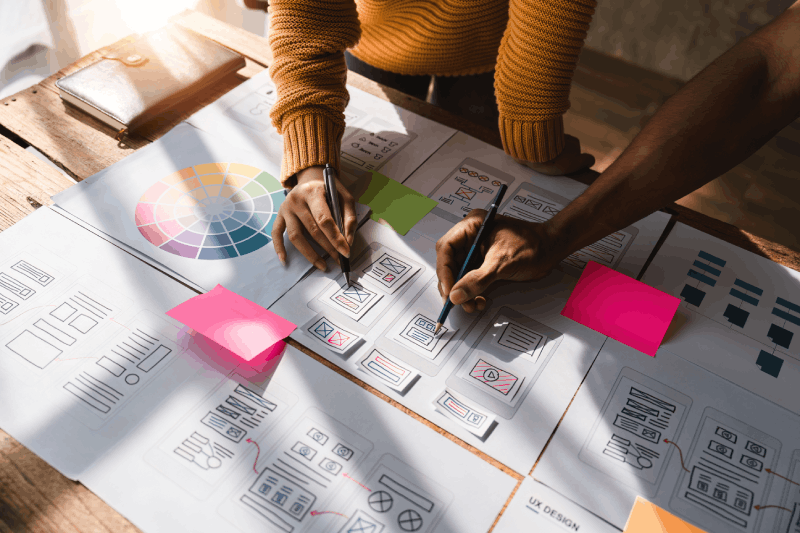
A Review of Professional Skills and Functions for UX Designer
1. UX Designer Tasks
- UX Strategy: Contribute new ideas to the ecommerce team to improve the overall UX of the ecommerce web platform.
- Digital Design: Create digital designs and wireframes to communicate a vision of proposed changes to the UX of the ecommerce web platform.
- User Research: Present research to the ecommerce team in relation to competitors, usability, and customer experience to ensure the best possible UX.
- Developer Collaboration: Work collaboratively with web developers to support the transition of proposed changes from prototype through to implementation.
- Design Systems: Collaborate with Marketing, Web Development, and Customer Experience teams to develop and support the Schuh design system.
- Design Support: Support the wider business on digital design.
2. UX Designer Roles
- Product Design: Create user-friendly and intuitive products, registration, and commerce designs to attract and retain member engagement.
- Prototyping: Create clickable and interactive prototypes, wireframes, storyboards, sitemaps, and screen and task flows based on user needs and project goals.
- UX Analysis: Analyze user feedback and activity, using insights to iterate, develop, and enhance the end-to-end user experience.
- User Advocacy: Advocate on users' behalf while working within time and technical constraints to deliver the strongest and most seamless user experience possible.
- User Research: Conduct user research and usability testing.
- Persona Development: Develop personas and usage scenarios.
- Stakeholder Collaboration: Consult with internal teams to understand their goals and explain research results.
3. UX Designer Responsibilities
- Interaction Design: Create interaction models, user task flows, screen designs, and UI details that promote ease of use for a highly customizable system.
- UX Collaboration: Collaborate with stakeholders to clearly define user experience requirements, user scenarios, and journey maps.
- Ideation Testing: Contribute to ideation and sketching sessions, storyboards, prototyping, and usability testing.
- Wireframing: Create a comprehensive wireframe system.
- Visual Design: Create and deliver mock-ups.
- Cross-team Support: Aid with cross-team communication, collaboration, and development.
4. UX Designer Responsibilities and Key Tasks
- Conceptual Design: Start projects from scratch, requiring both conceptual and detailed design thinking.
- User Experience Definition: Define user goals, scenarios, benefits, and flows, as well as conceptual designs and prototypes.
- Team Collaboration: Work in a design team and closely with software engineers, product managers, and program managers in a highly collaborative environment.
- Design Communication: Command a wide range of tools and methods, and communicate ideas quickly and interactively.
- Visual Prototyping: Illustrate concepts through sketches, mock-ups, wireframes, and rapid prototypes in this role.
5. UX Designer Roles and Responsibilities
- Product Collaboration: Work closely and partner with Product Managers to understand their business and provide user experience insights.
- UI Design: Interpret business requirements into effective UI designs, delivering end-to-end user experience solutions from concepts and prototypes to visual design and detailed design specifications.
- Data Visualization: Convert complex information into intuitive graphics, charts, graphs, and other forms of data visualization.
- UX Testing: Conduct design reviews and testing, identify and troubleshoot UX issues to support the development process.
- Design Guidelines: Participate in creating, maintaining, and applying design guidelines and the UI library.
6. UX Designer Functions
- Stakeholder Collaboration: Work with stakeholders and others independently or as part of a team to define designs for the requirements and solutions, based on the team projects.
- User Research: Perform user research and observation of user tasks, integrating these findings with business requirements to transform the user’s mental model into the user interface.
- User Understanding: Understand the important characteristics of users, their environments, and work tasks to drive an intuitive experience.
- Experience Design: Create delightful and elegant User Experiences.
- UI Design: Design intuitive and simple user interfaces for web and mobile solutions, producing artifacts supporting a transition from the look and feel to storyboards, mockups, and conceptual models that developers can implement.
- Prototyping: Iteratively prototype designs for review with program owners and team leads.
- Design Tools: Leverage experience in prototype tools such as Sketch.
- Usability Evaluation: Utilize various cognitive techniques to evaluate user interfaces with end users to refine the UI to ensure it complements the user's task, environment, profile, and needs.
- Teamwork Communication: Display teamwork and persuasive interpersonal communication skills.
7. UX Designer General Responsibilities
- User Research: Own the process of conducting user research to understand users inside out, and work closely with the Head of Growth to define the problems that need to be solved.
- Internal Research: Conduct and drive internal research within the organisation to identify friction points and opportunities for automation.
- Data-Driven Design: Work with data and qualitative insight to design solutions.
- End-to-End Design: Own the design process from beginning to end and produce both lo-fi prototypes for testing as well as hi-fi final designs.
- Developer Collaboration: Work closely with developers to ensure designs are implemented to the highest possible benefit of the user.
8. UX Designer Responsibilities
- UX Collaboration: Work on large and complex digital initiatives in collaboration with UX and Design, Product Owners, and Business Stakeholders.
- Research Strategy: Design and manage research aimed at surfacing underlying customer needs, and testing and validating concept designs.
- Concept Development: Contribute to the direction and development of concepts, solution opportunities, and design rationale for team members and stakeholders, and turn these ideas into an executable strategy.
- UX Advocacy: Act as an advocate for user experience across the business, increasing engagement and understanding of the value and benefits of this function.
- UX Communication: Effectively communicate research findings, conceptual ideas, and detailed UX design rationale.
9. UX Designer Duties
- Research Synthesis: Synthesize research input and user data into user journeys and design concepts.
- Problem Solving: Define problems and solve them using an evidence-based rationale.
- Solution Design: Craft pragmatic solutions for complex problems that stand up to rigorous testing.
- Systems Thinking: Think about systems and the people using them, how they feel about their experience, not just the user interface.
- Idea Leadership: Rally colleagues around ideas that will make experiences even more successful.
- Cross-functional Collaboration: Collaborate with research, data, engineering, product, and design teams to create seamless, delightful, well-rounded, and coherent experiences.
10. UX Designer Job Summary
- Stakeholder Collaboration: Collaborate with customers, users, product owners, scrum masters, development teams, and stakeholders to understand and evaluate project requirements.
- Product Coaching: Support and coach the product owner in evaluating, analyzing, and scoping project solutions from the customer or user perspective.
- Solution Design: Create innovative solutions for a wide variety of design challenges, including mobile, desktop, hardware interfaces, physical environments, and person-to-person interactions.
- Prototyping: Develop prototypes to effectively communicate interactions and design ideas around customer needs.
- Design Presentation: Present design deliverables to development teams, stakeholders, users, or peers in informal and formal settings.
- User Feedback: Make recommendations to product owners, development teams, and other designers based upon user feedback cycles.
- Concept Development: Create and present concepts to inform the product roadmap or new product opportunities.
- Independent Problem Solving: Independently handle complex issues with minimal supervision, escalating only the most complex issues to appropriate staff.
Editorial Process and Content Quality
This content is developed by the Lamwork Editorial Team using structured analysis of real-world job data, skill requirements, and hiring patterns.
Research framework by Lam Nguyen, Founder & Editorial Lead.
Reviewed by Thanh Huyen, Managing Editor.
Learn more about our editorial standards.