WHAT DOES A QA ENGINEER DO?
Updated: Dec 19, 2025 - The Quality Assurance (QA) Engineer improves test framework architecture and expands test coverage across web, mobile apps, microservices, and APIs. This role involves collaborating with product and engineering teams to shift testing left, implementing automation best practices, mentoring others in automation skills, and tracking testing efforts using defined KPIs. The engineer also validates cross-team projects, supports end-to-end delivery, and stays current with advancements in web technologies and programming languages.

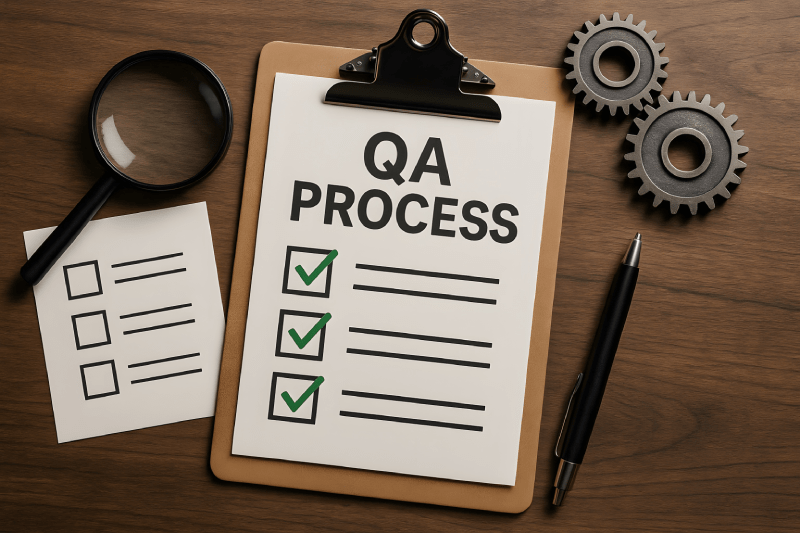
A Review of Professional Skills and Functions for QA Engineer
1. QA Engineer Roles
- Test Plan Management: Adapt and keep the test plan updated (strategy, test cases, dataset, automation).
- Product Quality Support: Help the product team in defining a more qualitative product to meet business needs.
- Daily Testing: Iteratively and daily test the product developed by the feature team.
- Automation Contribution: Participate in the automation effort of the global scope of the team tests.
- Process Improvement: Apply experience and skills to continuously improve working processes.
- Documentation Maintenance: Create and maintain functional documentation.
2. QA Engineer Overview
- Test Planning: Write test plans for modules/features.
- Test Case Design: Design and write test cases based on functional requirements.
- Environment Deployment: Deploy testing environments.
- Automation Design: Design automation tests and develop testing scripts.
- Test Execution: Execute tests, identify issues, and analyze testing results.
- System Testing: Design and perform system testing (such as performance, stress, or volume testing).
- Issue Tracking: Trace issues using tracking systems.
- Production Support: Interface with support operations to identify production issues.
- Automation Mindset: Apply an "automate first" mentality to all testing tasks.
3. QA Engineer General Responsibilities
- Quality Ownership: Take ownership of software quality.
- Test Strategy Collaboration: Collaborate with Business Analysts, Developers, other QA Engineers, and Managers to develop effective test strategies and tests.
- Specification Analysis: Review and analyze system specifications and requirements.
- Test Execution: Prepare and execute test cases to detect functionality, usability, performance, and other defects.
- Cross-Platform Verification: Verify multi-device and cross-platform consistency (software works on different devices and browsers).
- Defect Reporting: Create clear, detailed defect reports and proposals for improvements.
- Team Participation: Participate in team planning meetings and provide feedback to the team.
4. QA Engineer Roles and Responsibilities
- Customer Quality: Daily cooperation with customers in quality-related topics.
- Issue Coordination: Coordinate complaints and issues (analysis, action management, reporting).
- Product Analysis: Analyse returned products in cooperation with the Engineering team.
- Process Development: Develop quality-related processes in production.
- Problem Handling: Support internal problem handling.
- Audit Support: Support the preparation for internal and external audits.
5. QA Engineer Duties and Roles
- Test Execution: Conduct all the testing activities in accordance with the Test Strategy.
- Requirements Analysis: Analyse requirements and design test plans.
- Test Scripting: Create test scripts and test cases.
- Release Testing: Run tests within product release cycles.
- Bug Reporting: Analyse test results and perform bug reporting.
- Stakeholder Communication: Be responsible for the documentation and communication of test results to the stakeholders.
- Test Data Management: Be accountable for test data creation.
6. QA Engineer Responsibilities and Key Tasks
- Manual Testing: Write and manually execute testing procedures to ensure features meet specifications set out in a story.
- Test Planning: Write testing plans that are reusable and easily maintainable.
- Sprint Collaboration: Work as part of a sprint team to ensure the smooth delivery of features.
- Customer Support: Provide a point of contact for customer support issues, recreating bugs, providing workarounds, explaining best practices, and clearly communicating when fixes will be delivered.
- Bug Prioritisation: Work closely with the product team to understand and prioritise bugs and make sure these are included in the sprint work.
- Cross-Team Relations: Build a good relationship with marketers and members of other teams to deliver excellent customer support.
- Story Validation: Collaborate with the product team to ensure user stories can be easily tested and delivered as a feature.
- Performance Insight: Offer insight into performance-related issues and compare previous iterations of results.
- Regression Testing: Be responsible for running regression testing.
7. QA Engineer Duties
- Platform Learning: Learn the Movicon.NExT software platform architecture.
- QA Collaboration: Support the QA Team Leader and collaborate with colleagues to validate platform functionality and create test cases and strategies.
- Bug Documentation: Carry out a careful analysis aimed at identifying, recording, and documenting the bugs detected and resolved.
- Cross-Platform Testing: Execute tests across multiple platforms, devices, and browsers.
- Performance Analysis: Analyze system performance against expected results.
- Status Reporting: Provide detailed status reports.
- Technical Documentation: Contribute to drafting the technical documentation related to the bugs fixed and new functionality.
8. QA Automation Engineer Responsibilities
- Test Verification: Define test cases, and test and verify small and large changes at every level.
- Automation Development: Design and develop automated tests in a cross-functional environment.
- Result Analysis: Analyze test results from CI/CD tools and manage the bug list.
- Release Participation: Participate in all deployments and release times.
- Process Improvement: Partner with product managers and developers to identify areas for improved efficiencies.
9. Quality Assurance Engineer Overview
- Test Case Management: Create and maintain test cases, and update them to cover new features.
- Manual Validation: Perform manual validation across iOS and Android devices.
- Mobile Regression: Validate feature changes and perform targeted regression tests against Mobile App releases.
- Project Tracking: Track test projects and maintain reporting to partners throughout the development cycle.
- Cross-Functional Communication: Work closely with development and business teams to communicate impacts and understand business requirements.
- Customer Advocacy: Serve as the voice of the customer and advocate for quality throughout every phase of the development process.
- Bug Tracking: Identify, document, and track bugs through resolution.
- Automation Contribution: Contribute to automated test coverage for critical functional areas under test.
- Automation Reporting: Be responsible for vetting automation reports, investigating failures, and fixing any false positives.
- Root Cause Analysis: Perform root cause analysis, investigate, and troubleshoot errant product behavior.
10. QA Automation Engineer Job Summary
- Cross-Platform Testing: Test the web application on desktop as well as on mobile devices.
- Agile Collaboration: Work in geographically distributed teams using the Agile methodology.
- Test Automation: Compose, automate, and execute test cases according to product requirements.
- Fast Learning: Learn quickly in a dynamic environment.
- Bug Reporting: Provide clear and succinct bug reporting.
11. QA Engineer Details
- Team Coordination: Liaise with the site supervisors and project management team.
- Quality Assurance: Ensure the quality of the product.
- Drawing Interpretation: Be responsible for reading reinforcement drawings.
- Material Coordination: Facilitate and coordinate with the site teams to ensure correct call-offs for the steel required for the site.
- Temporary Works Support: Support the design and coordination of temporary works for lifts.
- QC Execution: Be responsible for carrying out QC checks.
12. QA Engineer Key Accountabilities
- DHR Review: Review Device History Records (DHRs) and associated documents to ensure that all documents and specifications are met.
- Non-Conformance Analysis: Identify non-conformances and trend/report device history batch issues.
- Product Inspection: Physically inspect the product for compliance with packaging and labeling specifications.
- Quality Compliance: Ensure activities and items are in compliance with both company quality assurance standards and applicable quality system regulations.
- Issue Resolution: Resolve incomplete or unexplained issues found during the batch review with manufacturing.
13. QA Engineer Responsibilities and Key Tasks
- Test Reporting: Create test plans, test status, and summary reports.
- Requirements Analysis: Analyse the business requirements, user stories, and system solution.
- Testing Competency: Provide superior testing competencies to ensure testing is efficient and completed on time using planning skills and working with the assigned team.
- Automation Management: Manage the use of automated testing for the assigned work in an efficient and productive manner to ensure testing is delivered with quality and within time parameters.
- Test Execution: Execute functional, non-functional, and regression tests.
14. QA Engineer Overview
- Process Compliance: Ensure establishment and continuous improvement of processes based on ISO9000 and ISO13485 requirements.
- Quality Awareness: Instill and continuously improve quality awareness throughout the organization to consistently deliver best-in-class quality.
- Audit Leadership: Lead external and internal audits.
- Equipment Calibration: Drive and implement calibrations on all test equipment and gauges used in the production line.
- SAP Master Data: Maintain material master data in the SAP system.
- SAP Data Management: Keep and modify data in the SAP system.
- BOM Updates: Be responsible for BOM updating in the SAP system.
- Documentation Control: Keep and modify documentation in the shared folder.
- ECO/ECR Tracking: Maintain and track ECOs and ECRs in documentation control.
15. QA Engineer Accountabilities
- Test Requirements: Identify test requirements for the features under development.
- Test Automation: Implement and maintain back-end and front-end automated tests.
- Defect Management: Identify, report, and verify software weaknesses.
- Team Collaboration: Collaborate with the software development team to solve application faults.
- Stakeholder Communication: Liaise with other stakeholders to fully understand system requirements.
16. QA Engineer Additional Details
- Issue Investigation: Hands-on manual investigation and reproduction of functional backend software issues.
- Root Cause Analysis: Root cause analysis of existing test script failures.
- Test Coverage Review: Identify current test script deficiencies and candidates for additional scripted coverage.
- Feature Testing: Be in charge of investigatory testing of unreleased features, including defining requirements, behavior, and impact.
- Scenario Design: Be accountable for documenting and designing candidate test scenarios for the above.
17. Junior QA Engineer Responsibilities and Key Tasks
- Agile Practices: Apply Agile/Scrum principles in the test service process.
- Cross-Team Collaboration: Collaborate with the z/OS Build Team, DevOps Team, and QA technical leaders.
- Product Support: Directly serve IBM’s internal z/OS and zCX OpenShift product development and test groups.
- Procedure Maintenance: Learn to enhance, maintain, and support current test procedures and documentation.
- Modernization Leadership: Be responsible for leading modernization efforts.
- Process Improvement: Work with the team and sponsored users to design and deliver improvements to existing processes and create novel additions.
18. QA Engineer Functions
- Test Planning: Establish test plans and test schedules for new releases and interim fixes.
- Test Execution: Create and execute test cases.
- Test Review: Review test cases created by other teams.
- Test Automation: Expand test automation using a test automation framework.
- Currency Testing: Plan and execute currency tests.
- Time Management: Ensure that overall testing is performed within the committed timeframe.
- Customer Support Testing: Support and test for customer support cases.
19. QA Engineer Responsibilities
- Test Architecture: Improve test framework architecture and test coverage on web, mobile apps, microservices, and APIs.
- Cross-Team Collaboration: Collaborate across Product and Engineering to shift testing left.
- Automation Practices: Implement best practices in testing automation.
- Technical Mentorship: Mentor engineers/QA analysts to grow and train their automation skills.
- Testing KPIs: Use the KPIs implemented for measuring testing efforts, and follow and improve the test strategy within the product perimeter.
- Cross-Team Support: Provide validation and support for other cross-team projects intersecting with the product perimeter.
- Project Ownership: See a project through from conception to finished product.
- Technical Awareness: Stay abreast of developments in web applications and programming languages.
Editorial Process and Content Quality
This content is developed by the Lamwork Editorial Team using structured analysis of real-world job data, skill requirements, and hiring patterns.
Research framework by Lam Nguyen, Founder & Editorial Lead.
Reviewed by Thanh Huyen, Managing Editor.
Learn more about our editorial standards.