WHAT DOES A LEAD MECHANIC DO?
Published: Jan 20, 2026 - The Lead Mechanic manages daily workloads, schedules additional tasks when the supervisor is absent, and maintains fleet maintenance data and operational records. This position provides guidance to mechanics, supports training, researches advancing technologies, including electric vehicles, and ensures environmental compliance for the garage and USTs. The mechanic also coordinates work trucks in the spare vehicle pool and assists the supervisor with inventory and overall shop operations.

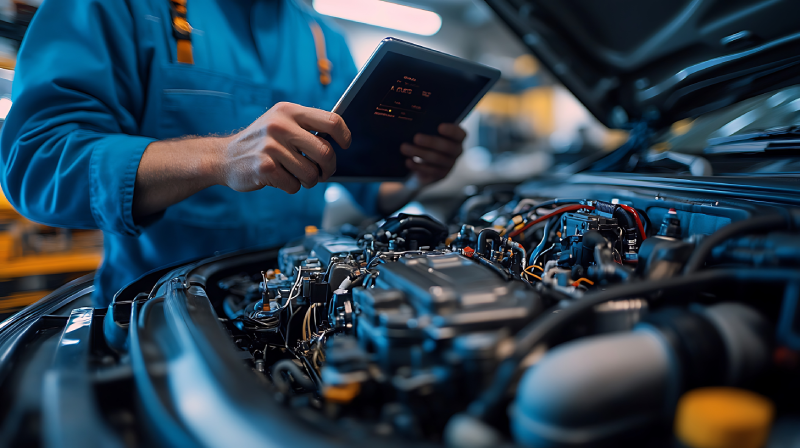
A Review of Professional Skills and Functions for Lead Mechanic
1. Lead Mechanic Responsibilities
- Project Support: Assist the ownership and plant manager with the organization, management, and implementation of various expansion projects
- Facility Coordination: Coordinate and monitor facility and equipment modifications and improvements
- Maintenance Oversight: Oversee and manage maintenance employees and contract labor to ensure mechanical changes and improvements are properly completed and implemented
- Equipment Assessment: Assessment and inspection of new and used equipment for purchase
- Efficiency Evaluation: Evaluation and maintenance of used equipment to create optimum efficiencies
- Parts Procurement: Order mechanical parts and ensure the best pricing is obtained
- Production Collaboration: Work closely with production teams to ensure equipment is operating efficiently and effectively
- Preventive Planning: Plan and implement Preventive Maintenance Plans
- Safety Compliance: Assist the Plant Manager with proper equipment safety protocols, the establishment of Lock-Out Tag-Out procedures, and training
- Systems Compliance: Ensure proper systems are in place for monitoring and tracking maintenance activities, supplies, and equipment in compliance with third-party food safety requirements
- Lifecycle Tracking: Monitor and track maintenance time per piece of equipment for assessment and evaluation of equipment life cycle
- Tool Control: Create and implement systems for monitoring and tracking tools and equipment to minimize losses
- Safety Monitoring: Assist the Plant Manager with monitoring and implementation of safety procedures for the maintenance team
- Regulatory Awareness: Monitor and stay updated on safety rules, regulations, and guidelines, and stay informed of best practices for equipment maintenance
- Vendor Coordination: Coordinate and communicate with various vendors
- Equipment Troubleshooting: Troubleshoot equipment failures and problems
- Technical Research: Advanced research for equipment, with detailed assessments and recommendations
2. Lead Mechanic Accountabilities
- Workload Management: Manage daily workload and schedule additional work in the absence of the Supervisor
- Team Guidance: Provide work direction and guidance to employees or be instructed by the immediate supervisor
- Data Management: Maintain data in the fleet maintenance software
- Record Maintenance: Maintain records associated with the daily operations of the fleet vehicles and equipment
- Staff Development: Assist the supervisor in the continued training and development of all Mechanics
- Technology Research: Research and initiate best practices for changing and developing technologies, including electric vehicles
- Environmental Compliance: Ensure that all aspects of environmental compliance are maintained regarding the USTs and the garage area
- Fleet Coordination: Coordinate the work truck portion of the spare vehicle pool
- Inventory Support: Assist the supervisor with maintaining inventory
3. Lead Mechanic Functions
- Equipment Repair: Performs repairs and assigned preventive maintenance services on garbage trucks, generators, forklifts, excavators, wheel loaders, and building maintenance.
- Crew Leadership: Supervise and lead multiple crews and lines of business
- Work Dispatch: Dispatch Mechanics and schedule work orders.
- Vendor Communication: Communicate with Vendors promptly
- Electronic Diagnostics: Utilizes vehicle computer electronics systems to interpret failure modes to initiate or assign repairs.
- Safety Inspection: Conducts safety checks on vehicles and equipment.
- Maintenance Documentation: Completes required paperwork utilizing the fleet maintenance software program associated with repairing vehicles, documenting parts usage, and accounting for repair times.
- Inspection Review: Reviews, completes, or assigns repairs identified on Driver Vehicle Inspection Reports.
- Workplace Safety: Maintains a clean, safe work area in compliance with corporate and OSHA standards.
- Safety Procedures: Performs all work in accordance with established safety procedures.
4. Lead Mechanic Details and Accountabilities
- Equipment Maintenance: Maintains, diagnoses, and repairs a variety of equipment, including diesel engines, transmissions, drive train components, winches, high-pressure pumps, centrifugal pumps, sand conveyor systems, air compressors, microprocessor controls, electro-mechanical equipment, hydraulic systems, and pneumatic systems.
- Work Orders: Creates work orders and enters data into the garage management system.
- Safe Operations: Ensures duties are performed in a safe, efficient, and effective manner.
- Technical Expertise: Serves as a recognized expert in maintenance processes, procedures, and functions.
- Employee Training: Trains and mentors new employees.
- Work Direction: Assists and directs the daily work of technicians and other maintenance employees.
- Procedure Guidance: Guides team members and ensures that they are following proper safety and work procedures.
- Shift Briefings: Leads a tailgate meeting with all team members at the beginning of work shifts.
- Policy Compliance: Attends all required safety meetings and conducts all business activities in accordance with Company policies and procedures.
5. Lead Mechanic Additional Details
- Mechanical Diagnostics: Evaluate mechanical problems in vehicles using diagnostic equipment
- Repair Support: Help mechanics evaluate minor mechanical problems and inspect repairs completed.
- Component Repair: Rebuild, replace, or repair major vehicle components, assemblies, and systems, including engines, transmissions, suspensions, etc.
- System Repair: Check and repair electrical and cooling systems, and install heaters and similar accessories.
- Repair Estimation: Estimated time and materials required to perform major repairs.
- Engine Analysis: Analyze engine performance and perform tune-ups.
- Routine Maintenance: Perform routine vehicle maintenance and preventive care.
- Maintenance Records: Maintain accurate, updated preventive maintenance records.
- Technical Training: Help train mechanics and mechanic helpers.
6. Lead Mechanic Essential Functions
- Equipment Service: Service, repair, and maintain wastewater treatment facility equipment
- Equipment Care: Maintain equipment and supplies, and keep them in good working order
- Pump Troubleshooting: Conduct troubleshooting and repairs of pump controls, and have basic electrical knowledge
- Piping Installation: Perform maintenance, repair, and new installation of PVC, ductile iron piping, copper piping, and valves.
- Customer Service: Provide customer service professionally and courteously.
- Emergency Response: Prepared for on-call service work as a 24/7 emergency contractor.
- Driving Safety: Administers and delegates the driving safety protocols and participates in the defensive driving training
- Vehicle Records: Maintains recordkeeping associated with the use of a company vehicle and other company driving policies
- Safety Meetings: Complete weekly technical safety meetings
7. Lead Mechanic General Responsibilities
- Equipment Supervision: Supervises the use of special equipment involved in maintenance and repair work
- Work Scheduling: Schedules work to be done and determines the type and quantities of materials needed for such work
- Project Review: Reviews work projects in progress and at completion
- Maintenance Inspection: Inspects buildings and equipment for needed maintenance and repair
- Tool Management: Ensures the proper use and care of tools, materials, and safety equipment
- Safety Assurance: Assures adherence to safety, cleanliness, and fire prevention rules and standards
- Work Planning: Consults with the Project Manager in planning workload and assignments
- Control Adjustment: Sets valve clearances, cleans and adjusts regulators, gas, and other controls and devices
- Pump Repair: Maintains and repairs pumps, replaces bearings, valves, seals, and controllers, builds pump mounts and brackets, does welding, and lays conduit
- Maintenance Logging: Maintains a comprehensive log of all maintenance work done on equipment
- Emergency Response: Determines remedial action in emergencies
- Cost Analysis: Determine cost analysis for maintenance projects
8. Lead Mechanic Key Accountabilities
- Shop Leadership: Supervise and lead the Auto Shop and Arctic Circle Power Sports Mechanics
- Invoice Management: Maintain an accurate record of expenses and labor to create invoices
- Equipment Inspection: Keep equipment available for use by inspecting and testing vehicles.
- Preventive Maintenance: Complete preventative maintenance such as engine tune-ups, oil changes, tire rotation and changes, wheel balancing, and replacing filters.
- Condition Assessment: Maintain vehicle functional condition by listening to operator complaints and conducting inspections.
- System Repair: Repair mechanical and electrical system malfunctions, replace parts and components, repairing body damage.
- Service Verification: Verifies vehicle serviceability by conducting test drives, adjusting controls, and systems.
- Regulatory Compliance: Complies with state vehicle requirements by testing engine, safety, and combustion control standards.
- Vehicle Appearance: Maintains vehicle appearance by cleaning, washing, and painting.
- Service Records: Maintains vehicle records by recording service and repairs.
- Shop Operations: Keeps shop equipment operating by following operating instructions, troubleshooting breakdowns, maintaining supplies, performing preventative maintenance, and calling for repairs.
- Cost Control: Contains costs by using warranty, evaluating service, and parts options.
- Inventory Control: Keeps supplies ready by maintaining inventory stock, placing orders, and verifying receipt.
- Professional Development: Updates job knowledge by participating in educational opportunities and reading technical publications.
- Mission Support: Accomplishes maintenance and organization mission by completing related tasks
- Shop Safety: Maintain a clean shop area and ensure all hazardous materials are properly labeled and stored.
- Safety Compliance: Observe all applicable safety rules and regulations.
9. Lead Mechanic Roles and Details
- Vehicle Inspection: Completely checking vehicles and identifying any type of defects or losses, as well as restoring them.
- Repair Estimation: Estimate the time and cost of repairs
- Staff Coordination: Interact with staff and understand the problems related to their company vehicle
- Service Approval: Approve the modification of parts and many other important services for the vehicles.
- Parts Procurement: Place orders for necessary additional parts and ensure the reasonable procurement of the same.
- Interdepartment Coordination: Efficiently coordinating duties and working with other departments.
- Fleet Coordination: Coordinate all maintenance-related items for fleet vehicles
- Repair Authorization: Review and authorization of repairs, repair in-house or locating repair facilities, and communications with drivers, etc.
- Vendor Direction: Effectively direct vendors to perform work to the standards.
- Warranty Recovery: Aggressively pursue warranty recovery on behalf.
- Schedule Communication: Communicate with the Scheduling Department when repairs exceed a certain limit.
- Status Communication: Interact with departments and personnel to keep informed on the status of vehicles.
10. Lead Mechanic Responsibilities and Key Tasks
- Vehicle Safety: Ensure vehicle safety and troubleshoot problems to ensure operations and drivers are minimally inconvenienced when a breakdown or repairs
- Technical Consulting: Consult with management on technical and mechanical issues, as well as work with the Scheduling Department to recommend appropriate cycle policies for fleet vehicles
- Technical Expertise: Serve as an internal expert and industry resource for maintenance-related issues.
- Fleet Administration: Maintain Fleet Registrations, inspections, and Insurance
- Fleet Maintenance: Preventative maintenance and repairs to the fleet of trucks
- Vehicle Assessment: Assess vehicles and/or machinery to accurately diagnose and repair issues
- Routine Inspection: Provide routine inspections of vehicles and inform the manager of any issues
- Cost Estimation: Prepare quotes and work estimates for the budget
- Work Logging: Keep an accurate log of all work performed
- Tool Maintenance: Maintain and clean garage equipment and tools to ensure they are kept in a safe and usable condition at all times
- Safety Compliance: Adhere to company work safety policies
- Task Support: Additional assignments or projects by the Operations Manager.
- Supply Ordering: Order supplies, build structure, electric, and plumbing.
Editorial Process and Content Quality
This content is developed by the Lamwork Editorial Team using structured analysis of real-world job data, skill requirements, and hiring patterns.
Research framework by Lam Nguyen, Founder & Editorial Lead.
Reviewed by Thanh Huyen, Managing Editor.
Learn more about our editorial standards.