FOOD SAFETY MANAGER SKILLS, EXPERIENCE, AND JOB REQUIREMENTS
Updated: Dec 26, 2025 - The Food Safety Manager proficient in managing product food safety control programs, including familiarity with HACCP/HARPC, GFSI schemes, organic, kosher, FSMA Food Safety Plan, and FSVP. Equipped with comprehensive knowledge in microbiology, statistical process control, and Six Sigma Green Belt methodologies to drive food safety troubleshooting and process improvements. This position demonstrates strong digital literacy, expert-level skills in Microsoft Office, and the ability to manage projects effectively from conception through implementation, ensuring independent operation within areas of expertise.
Essential Hard and Soft Skills for a Standout Food Safety Manager Resume
- Food Safety Management
- HACCP Compliance
- Regulatory Knowledge
- Quality Management
- Risk Analysis
- SOP Documentation
- Audit Management
- Food Safety Systems
- Analytical Methods
- Process Improvement
- Strategic Planning
- Team Collaboration
- Incident Investigation
- Consumer Complaint Reduction
- Team Leadership
- Cultural Engagement
- Continuous Improvement
- Crisis Management
- Cross-functional Collaboration
- Complaint Resolution

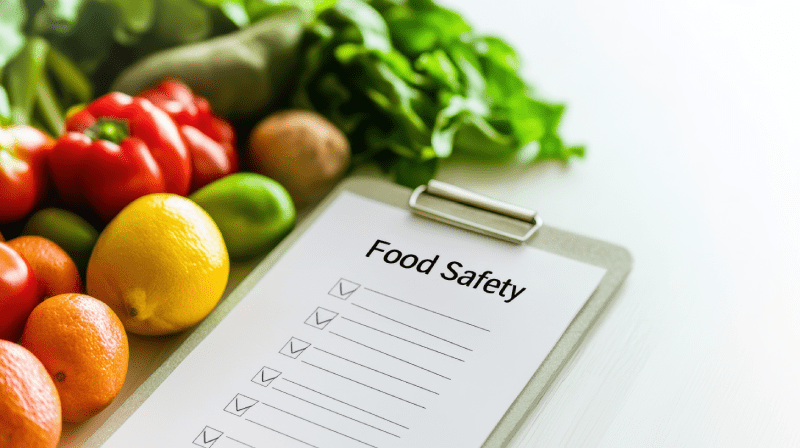
Summary of Food Safety Manager Knowledge and Qualifications on Resume
1. BS in Food Science with 2 years of Experience
- Ability to work in an unstructured environment with the ability to make trade-off decisions quickly
- Ability to give/receive constructive feedback
- Ability to lead a team-based approach to decision making
- Demonstrated ability to work in a results-oriented, challenging environment
- Effective coaching, facilitation, presentation, and team-building skills
- Excellent multi-tasking and time management skills
- Strong communication and interpersonal skills
- Proficiency with Microsoft Office
- Strong interpersonal skills in written and verbal communication
- Effective problem-solving, decision-making, and task prioritization, organizational skills with HACCP, GMP, GFSI, and Hold/Release Procedures.
2. BS in Public Health with 3 years of Experience
- Familiarity with HACCP/ HARPC and product food safety control programs
- Experience in GFSI schemes, organic, kosher, FSMA Food Safety Plan, and FSVP
- Experience/knowledge in Microbiology, Food Safety, troubleshooting and process improvement skills
- Proficient in digital literacy and in Microsoft Office programs (Word, Excel, Outlook, and PowerPoint)
- Good knowledge of statistics and statistical process control (SPC)( Six Sigma Green Belt experience preferred)
- Strong interpersonal and communication skills
- Effective communication skills with the ability to deliver positive feedback as well as corrective strategies in a proactive and respectful manner
- Computer Proficiency in MS Office and the ability to analyze graphs.
- Ability to manage projects from conception through implementation
- Ability to work independently within the area of expertise
3. BA in Environmental Health with 2 years of Experience
- Experience providing/presenting data analyses and trending that impact management decisions and business results
- Knowledge/understanding of HACCP development, Good Manufacturing Practices, Good Retail Practices, thermal processing, Code of Federal Regulations, FDA Food Code, Texas Retail Food Establishment Rules, basic statistics, integrated pest management, auditing practices, quality management principles, and quality systems standards
- Knowledge of retail operations-related business principles
- Proficiency in planning and scheduling tools, and MS Office
- Strong verbal /written communication skills
- Strong problem-solving and critical-thinking skills
- Strong interpersonal and negotiating skills
- Strong organization and time-management skills
- Ability to deal with a variety of compliance situations and implement continuous improvement
Editorial Process and Content Quality
This content is developed by the Lamwork Editorial Team using structured analysis of real-world job data, skill requirements, and hiring patterns.
Research framework by Lam Nguyen, Founder & Editorial Lead.
Reviewed by Thanh Huyen, Managing Editor.
Learn more about our editorial standards.