APPRENTICE MECHANIC SKILLS, EXPERIENCE, AND JOB REQUIREMENTS
Updated: July 31, 2024 - The Apprentice Mechanic is expected to uphold a safe work environment with a keen awareness of safety protocols. Proficiency in or a strong inclination to learn the dismantling and reassembling of equipment like generators and electric motors is crucial. A blend of self-motivation, organizational capabilities, and a collaborative spirit, along with the readiness to work overtime and knowledge of Total Productive Maintenance (TPM), are essential traits.

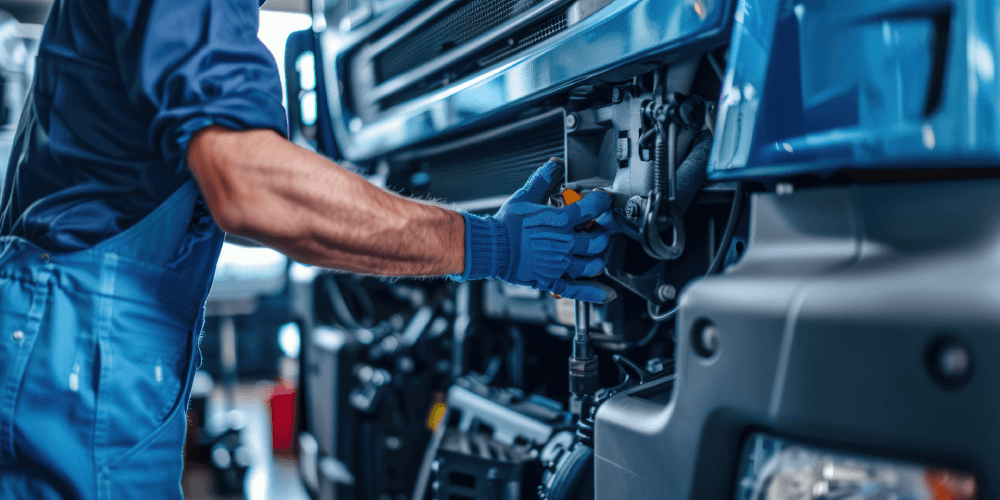
Summary of Apprentice Mechanic Knowledge and Qualifications on Resume
1. BS in Automotive Technology with 3 years of Experience
- Willing to work towards Heavy Equipment Technician Certification.
- Successfully meet Finning’s educational and testing prerequisites
- Meet the requirements of article 5.02 of the Alberta Collective Agreement
- Highly motivated and mechanically inclined
- Excellent written and verbal communication skills
- Previous Caterpillar experience and basic computer skills
- Good attention to detail and accuracy.
- Flexibility, organization, and time management skills.
- Willingness and ability to function in a team environment.
- Interest in maintenance/mechanical work in a production setting.
2. BS in Mechanical Engineering with 2 years of Experience
- 2nd Term Mechanic Apprentice, DZ or higher driver's license
- Previous rail experience, field service experience
- A safety-oriented work ethic supported by experience within the labor industry
- The ability to follow instructions, rules and regulations is essential
- Written and verbal communication skills, Problem solving skills
- Ability to work as a valuable member of a team
- Hydraulic and Electrical troubleshooting and repair background
- Fluent in reading hydraulic and electrical schematics
- Knowledge of Hydraulic and Electrical components and systems
3. BS in Automotive Engineering with 4 years of Experience
- Have experience with the repair and maintenance of vehicles and heavy equipment.
- Be responsible to repair and/or quote repairs
- Being able to solve and analyze problems, exemplifies safety in work habits.
- Have the ability to balance multiple tasks, be flexible and work well under pressure.
- Pass a colour-vision test
- Complete a Mechanical Aptitude Test, Computer skills
- Have successfully completed Leaving Certificate
- Aptitude for handling tools and equipment, Mechanical Aptitude
- Problem solving skills for diagnosing the machines’ malfunction
- A full clean driver's license is essential
4. BS in Mechanical Engineering Technology with 2 years of Experience
- Maintain a safe work environment and remain safety conscious
- Having mechanical knowledge or experience is highly desired
- Know dismantling and assembling of equipment such as generators, electric motors, and specialty rotating equipment, or a strong desire to be trained with the goal of mastering the skill
- Be a highly motivated self performer with good organizational skills and attention to detail
- Have the ability to work well in a team environment
- Must be able to work overtime
- Able to identify and locate parts, know TPM
Editorial Process and Content Quality
This content is developed by the Lamwork Editorial Team using structured analysis of real-world job data, skill requirements, and hiring patterns.
Research framework by Lam Nguyen, Founder & Editorial Lead.
Reviewed by Thanh Huyen, Managing Editor.
Learn more about our editorial standards.