WHAT DOES A WEB DESIGNER DO?
Published: Dec 26, 2025 - The Web Designer creates polished, visually consistent web pages that communicate clear messaging and support strategic goals. This role combines UX patterns, responsive layouts, accessibility standards, and modern design tools to ensure smooth experiences across devices. The designer also collaborates with content, marketing, and development teams to deliver interactive, optimized, and high-quality digital experiences.

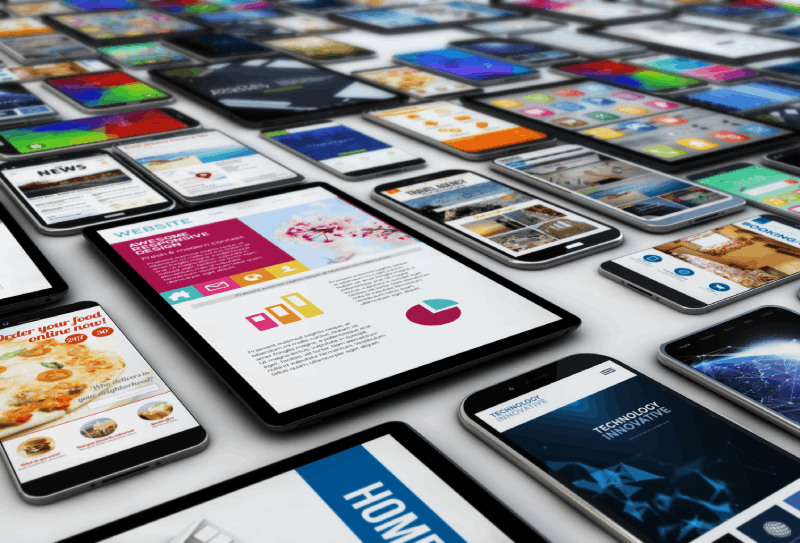
A Review of Professional Skills and Functions for Web Designer
1. Web Designer Duties
- Project Management: Design, work on, and manage large-scale, high-end design projects and campaigns that reach millions of users every day.
- Project Ownership: Take ownership of each project from the first ink drop to the last pixel.
- Brand Concepts: Develop innovative branding concepts.
- Visual Consistency: Unite all aspects of products’ presence with a consistent look and feel.
- Cross-Teamwork: Collaborate with different teams across the company, including product, content visual experts, marketing, and QA, to work on inspirational projects that get global exposure.
- Brand Identity: Create beautiful design assets while always staying true to brand identity.
- Deadline Management: Work on several projects at the same time, always meeting the deadline.
2. Web Designer Details
- Responsive Design: Deliver exciting and high-quality responsive visual designs from concept to execution.
- Creative Collaboration: Work with senior creatives and a team of talented illustrators, animators and designers.
- Interaction Design: Execute interaction design and visual design that work in harmony.
- User Flow Design: Help define interaction models, user task flows and UI specifications.
- Prototype Creation: Create prototype web pages for user testing.
- Trend Research: Research technology and digital interaction trends.
3. Web Designer Responsibilities
- Digital Assets: Create and utilize digital assets developed through collaboration with the graphic design team to produce all forms of promotional web and email content.
- Creative Briefs: Participate in producing creative briefs for ecommerce campaigns.
- HTML Content: Perform day-to-day website content tasks including building HTML promotional web content, geo-targeted account-based web content, tagging of website elements for tracking purposes, and custom website form creation.
- CMS Enhancement: Assist in coming up with new enhancements to the website content management system through collaboration with the Development and E-commerce teams.
- Email Marketing: Perform day-to-day email marketing activities including email campaign set up, scheduling, testing, tagging and deployment of one-time, recurring, triggered and dynamic content-driven campaigns.
- UX Consistency: Collaborate with Marketing graphic designers and the Web Design Manager to establish and maintain a consistent user experience across all marketing channels.
- AB Testing: Collaborate with e-commerce team associates to establish and maintain an ongoing A B testing program to maximize promotional web content and email effectiveness.
- Best Practices: Keep up to date with the latest web design best practices and new web design methodologies and technologies.
- Status Updates: Provide timely updates and estimates to the Web Design Manager.
4. Web Designer Accountabilities
- Landing Pages: Work with the product manager to create engaging, creative and modern landing pages.
- Webflow Design: Be responsible for designing the websites and implementing them using Webflow.io.
- Responsive Design: Ensure that all websites that are created adapt to all devices and screen sizes.
- SEO Awareness: Keep SEO performance in mind when creating landing pages.
- UI UX Design: Design websites with UI UX in mind.
- Conversion Design: Consider online conversions and SEO in design.
- Design Standards: Continue to maintain the highest standards of design.
5. Web Designer Functions
- Visual Design: Produce fresh and effective visual web designs while leveraging existing assets, or creating or sourcing new ones.
- Storyboard Design: Illustrate design ideas using storyboards, process flows and sitemaps.
- Responsive UX: Create polished UX underpinned by responsive designs for web, tablet, and mobile.
- UX Strategy: Help drive and shape UX UI Design within the business and drive product strategy.
- Client Strategy: Help define client challenges and goals and develop strategic and creative solutions that meet those goals.
- Creative Leadership: Participate in, and at times lead, the digital creative process, guiding internal and external stakeholders on the principles of good digital design.
- Client Presentation: Help present concepts internally to digital and project management teams and present work on client calls and meetings, building trust and understanding of work.
- Trend Awareness: Stay ahead of best practices, trends and innovations, content generation and development and new technology.
Editorial Process and Content Quality
This content is developed by the Lamwork Editorial Team using structured analysis of real-world job data, skill requirements, and hiring patterns.
Research framework by Lam Nguyen, Founder & Editorial Lead.
Reviewed by Thanh Huyen, Managing Editor.
Learn more about our editorial standards.
Relevant Information