WHAT DOES A SHIPPER DO?
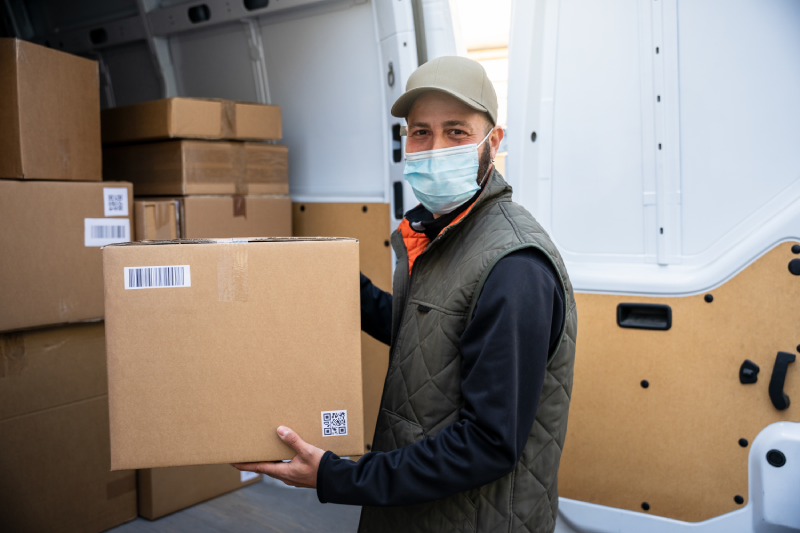
Published: Dec 19, 2025 - The Shipper handles the safe movement of large machinery and packaged goods by performing loading, unloading, sorting, inspection, and packaging activities while operating forklifts and other material-handling equipment. This role involves verifying shipments against documentation, following ISO procedures, and preparing outbound goods, including specialized export packaging, with accuracy and care. The individual also adheres to strict health, safety, and ethical standards, ensuring proper PPE use and compliance with the company’s code of business conduct.

A Review of Professional Skills and Functions for Shipper
1. Shipper Duties
- Order Fulfillment: Pick customer orders in a fast-paced setting.
- Delivery Verification: Verify supplier-packing slips by physically checking deliveries.
- Discrepancy Monitoring: Monitor shipment discrepancies.
- Inventory Monitoring: Monitor stock levels.
- Warehouse Organization: Stock shelves and organize warehouse shelves.
- Material Handling: Unload and load shipments manually and/or with the use of a lift truck.
- Load Compliance: Comply with load weight and secure load restrictions.
- Warehouse Safety: Maintain a safe, clean, and organized warehouse.
- Policy Compliance: Complete safety training and follow policies and procedures at all times.
- Customer Relations: Maintain a friendly rapport with customers at all times.
- Documentation Accuracy: Prepare necessary paperwork accurately and on time.
- Inventory Control: Lead branch cycle and year-end inventory counts.
2. Shipper Responsibilities
- Forklift Operation: Operate stand-up forklifts for material handling tasks.
- Forklift Operation: Operate sit-down forklifts to move pallets and finished goods safely.
- Truck Loading: Load trucks according to shipping schedules and safety procedures.
- Truck Unloading: Unload inbound trucks and verify received quantities against documentation.
- Shipping Processing: Process shipping orders following established instructions and timelines.
- Receiving Processing: Process receiving orders accurately and report discrepancies when identified.
- Order Picking: Operate order picker equipment to retrieve items from storage locations.
- Product Staging: Pull production products and stage them for outbound shipments.
- Shipment Preparation: Prepare shipments according to customer-specific instructions, including labeling, scanning, and shrink wrapping.
- Data Entry: Perform data entry using CMI, Excel, and Word to maintain accurate records.
- Inventory Documentation: Prepare Bills of Lading and assist with year-end physical inventory counts and product tagging.
3. Shipper Details
- Material Handling: Stack and secure materials in designated areas.
- Material Transport: Move materials to staging areas or to vehicles.
- Vehicle Loading: Load vehicles and secure materials.
- Goods Receiving: Accept items by confirming the item and specifications.
- Equipment Operation: Operate overhead cranes or other appropriate equipment for lifting, lowering, pushing, pulling, carrying, handling, or transporting heavy or awkward loads.
- Outdoor Work: Work outdoors within the elements and varied weather conditions.
- Inventory Storage: Unload and move items to storage locations.
- Safety Compliance: Comply with all applicable health and safety principles, procedures, policies, and safety programs.
4. Shipper Accountabilities
- Receiving Operations: Receive all incoming deliveries according to scheduled receiving procedures.
- Material Handling: Unload deliveries safely using approved material handling methods.
- Goods Placement: Place received goods in designated storage or staging locations.
- Document Verification: Compare Bills of Lading against actual quantities received to ensure accuracy.
- Discrepancy Reporting: Identify and report discrepancies between documentation and received goods.
- Quality Inspection: Inspect all incoming packages and products for defects or damage.
- Shipment Preparation: Prepare products for shipment according to order and handling requirements.
- SOP Compliance: Follow all standard operating procedures consistently during warehouse activities.
- Safety Compliance: Adhere strictly to health and safety policies to maintain a safe work environment.
- Team Collaboration: Work collaboratively as part of the warehouse team and contribute suggestions to improve warehouse procedures and practices.
5. Shipper Functions
- Parts Delivery: Deliver automotive parts and accessories to customers using a company vehicle in a safe and timely manner.
- Route Planning: Plan and coordinate delivery routes to ensure on-time order fulfillment.
- Customer Communication: Communicate with customers regarding delivery schedules and order status.
- Customer Service: Provide professional and courteous customer service during all deliveries.
- Inventory Receiving: Receive incoming inventory and verify items against documentation.
- Inventory Management: Maintain accurate inventory records to support daily operations.
- Vehicle Inspection: Complete daily vehicle inspection reports and driving logs.
- Order Packing: Pack customer orders accurately according to packing slips.
- Load Securing: Ensure orders are secured properly to prevent damage during transport.
- Delivery Coordination: Support store operations by coordinating deliveries between the store and customers efficiently.
6. Shipper Overview
- Shipment Preparation: Follow established work instructions to properly prepare the final product for shipment.
- Material Handling: Load, unload, and stack products and/or materials.
- Order Accuracy: Ensure product is accurately pulled and labeled for shipment.
- Goal Achievement: Achieve established goals or deadlines set for the department.
- Shipping Documentation: Complete all required shipping documents, paperwork, and/or data entry on time.
- Lean Manufacturing: Utilize Lean manufacturing tools to deliver results.
- 6S Organization: Organize materials at the work workstation and department according to 6S standards.
- Equipment Operation: Operate required equipment per safety guidelines, upon proper certification.
- Workplace Safety: Maintain a safe, clean work environment, promptly communicating and addressing any safety concerns.
- Safe Lifting: Occasionally lift and transport product up to 30 lbs, adhering to safe lifting techniques.
7. Shipper Details and Accountabilities
- Production Knowledge: Know the technological instructions for the production of spun cast concrete poles.
- Product Assortment: Know the assortment of the spun cast concrete poles.
- Technical Compliance: Use the provisions contained in the specification and technical documentation correctly.
- Shipping Coordination: Work with the administration to ship the poles needed by the customer.
- Driver Coordination: Work with truck drivers to confirm finished goods are identified and loaded properly for delivery.
- Logistics Coordination: Coordinate drivers with travel lift and riggers.
- Documentation Control: Ensure all shipping documents are properly received with the necessary signatures.
- Inventory Records: Maintain computer records of inventory movement.
- Cycle Counting: Participate in inventory cycle counts.
- Crane Cooperation: Cooperate with operators of overhead cranes.
- Equipment Monitoring: Constantly control the technical condition of devices and tools.
- Safety Compliance: Comply with general OHS and fire safety instructions and station instructions, and follow the instructions of superiors and management.
- Workplace Organization: Maintain order in the workplace.
8. Shipper Tasks
- Inventory Management: Manage and organize inventory while maintaining a tidy warehouse.
- Stock Level Control: Keep track of minimum and maximum inventory levels.
- Order Fulfillment: Pull inventory and organize packages for scheduled jobs, plus accurate restocking.
- Roll Stock Prep: Pull and prepare roll stock for the continuous roll printer.
- Stock Rotation: Manage and coordinate stock rotation.
- Shipping Operations: Be responsible for shipping packages to customers.
- International Shipping: Ship packages domestically and internationally with required paperwork.
- Receiving Inspection: Receive incoming packages and perform inspections of goods received.
- Waste Management: Prepare and stage waste material for recycling and shredding.
- Equipment Operation: Safely operate various power equipment, including pallet movers and forklifts.
- Inventory Counting: Conduct physical inventory and cycle counts.
- Report Preparation: Compile weekly and monthly client reports and checklists accurately.
- Inventory Compliance: Follow procedures for inventory control purposes.
- Warehouse Housekeeping: Perform general housekeeping within the shipping, receiving, and shop areas.
9. Shipper Roles
- Shipping Operations: Assist in the day-to-day operations of the Shipping Department.
- Load Scheduling: Follow load schedules to maintain a smooth workflow.
- Staging Coordination: Coordinate the staging area to support efficient order movement.
- Special Packaging: Organize special packaging for specific shipments.
- Truck Loading: Load trucks safely and accurately.
- Department Support: Perform additional departmental operations.
- Operational Communication: Communicate effectively to support shipping activities.
- Workplace Efficiency: Contribute to an organized and efficient shipping environment.
10. Shipper Additional Details
- Order Picking: Pick orders for daily shipping needs and create Purolator labels.
- Daily Shipping: Ship daily office documentation and packages.
- Accounting Coordination: Send all packing slips to Accounting at the end of each day.
- International Documentation: Prepare documentation required for international shipments.
- Shipment Tracking: Provide shipment tracking information.
- Claims Processing: File shipping damage claims and complete follow-ups.
- Stock Adjustment: Prepare adjustments needed for warehouse stock.
- RMA Processing: Prepare RMAs that must be shipped for repairs.
- Parts Transfers: Process daily repaired parts transfers from repair centers.
- Defective Handling: Transfer defective live inventory to the repair area.
- Inventory Organization: Maintain organized ATM and parts inventory.
- Credit Processing: Process ATM credit notes.
- Document Control: Ensure proper documentation is kept on file.
- Area Maintenance: Maintain the preparation area in a clean and organized condition.
- Inventory Counting: Participate in inventory counts.
11. Shipper Essential Functions
- Materials Receiving: Receive incoming materials according to established procedures.
- Forklift Operation: Operate a forklift truck or picker truck safely and efficiently.
- Order Picking: Pick materials accurately by following the required procedures.
- Order Shipping: Package and ship orders according to shipping standards.
- Inventory Scanning: Operate scanners to track materials and inventory.
- Material Flow: Provide a continuous flow of materials throughout the supply chain.
- Physical Inventory: Perform physical inventories to maintain stock accuracy.
- Warehouse Support: Support smooth warehouse operations through timely and organized task completion.
12. Shipper Role Purpose
- Logistics Operations: Perform general logistics tasks according to established procedures.
- Shipping Transactions: Ship products as per daily shipping requirements and perform associated transactions.
- Receiving Transactions: Receive materials and perform associated transactions.
- Interdepartmental Communication: Communicate issues with relevant departments.
- Courier Coordination: Communicate with couriers and customs brokers to resolve issues.
- Cycle Counting: Perform cycle counts and associated variance investigations.
- Warehouse Maintenance: Maintain warehouse organization and cleanliness.
13. Shipper General Responsibilities
- Customer Service: Provide outstanding customer service to customers.
- Order Receiving: Receive product and pack orders for shipment.
- Order Fulfillment: Pick, pack, and ship orders to meet deadlines.
- Shipment Scheduling: Schedule shipments with couriers both online and by phone.
- Product Assembly: Perform minor assembly of some product before shipping.
- Pallet Jack Operation: Use a pallet jack safely and efficiently.
- Workplace Safety: Maintain a clean and safe work environment.
- Quality Control: Maintain inventory integrity and perform quality checks on outbound products.
14. Shipper Key Accountabilities
- Heavy Lifting: Have heavy lift or rigging experience to handle large machinery.
- Courier Shipping: Receive and ship incoming and outgoing courier shipments.
- Truck Loading: Unload and load incoming and outgoing trucks once internal lift truck training has been completed.
- Package Verification: Count and sort incoming packages to verify receipt against truck or courier waybills and suppliers’ packing slips, while conducting visual inspections for damage.
- Equipment Operation: Operate forklift and other handling equipment to transport received materials to various locations in the plant.
- Export Packaging: Package outbound goods, verify quantities, and conduct visual inspection, including special packaging requirements for exports.
- ISO Compliance: Follow all internal ISO procedures.
- Ethical Compliance: Ensure that all business activities are performed with the highest ethical standards and in compliance with the code of business conduct.
- Safety Compliance: Adhere to all health and safety rules and procedures.
- PPE Usage: Ensure that proper PPE, including gloves, is used during the handling, packaging, and unpackaging of products inbound and outbound where employee safety may be at risk.
15. Shipper Roles and Details
- Order Picking: Pick and pack pipe, tubing, and small parts according to shipping orders and pick sheets.
- Quality Inspection: Inspect products to ensure they meet established quality standards.
- Quantity Verification: Verify that quantities for each order are correct.
- Manual Handling: Lift small parts and components weighing 20 to 40 pounds approximately 40% of the time.
- Heavy Lifting: Lift 50-pound containers 5 to 10 times per shift.
- PPE Compliance: Wear all required personal protective equipment at all times.
- Environmental Tolerance: Work in a non-temperature-controlled environment as well as outdoors.
- Forklift Operation: Operate forklifts safely to move materials.
- Equipment Operation: Use overhead cranes, power tools, and packaging equipment.
- Order Accuracy: Support accurate and efficient order fulfillment through safe and consistent work practices.
16. Shipper Responsibilities and Key Tasks
- Palletizing: Palletize materials according to handling requirements.
- Material Sorting: Sort incoming and outgoing materials accurately.
- Trailer Handling: Load and unload trailers safely and efficiently.
- System Updates: Update the company system with all items moving in or out.
- Vendor Coordination: Follow up with vendors to resolve shipment or material issues.
- Shipping Coordination: Coordinate shipping activities to meet scheduling needs.
- Shipping Documentation: Process shipping documentation accurately and on time.
- Warehouse Support: Support smooth warehouse operations through organized material flow.
17. Shipper Duties and Roles
- File Verification: Confirm completed, accurate file is uploaded to the investor.
- Closing Disclosure: Complete post consummation CD.
- Tolerance Cure: Complete tolerance cure/restitution and request funds.
- Condition Review: Review any outstanding conditions required by the investor before purchase.
- Stakeholder Liaison: Act as liaison between investor and lender to obtain any documentation or information required for purchase.
- Document Delivery: Send original note to investor/warehouse bank, depending on warehouse and investor guidelines.
- Guideline Compliance: Confirm that all loans meet investor guidelines.
- Purchase Notification: Supply purchase notifications to accounting and the loan committee.
18. Shipper Roles and Responsibilities
- Order Documentation: Print pick lists and packing slips from the Shipping Manager work screen of orders available for shipment.
- Shipping Compliance: Process shipments in accordance with general or specific shipping instructions.
- Order Picking: Identify and pick finished goods for shipping as designated by pick lists or work orders.
- Quality Verification: Visually verify the accuracy of part number, quantity, product finishes, and/or order numbers for goods picked by another person for shipping.
- Ground Shipping: Process goods for shipping via ground services utilizing the shipping computer system and software.
- Skid Building: Build skids of goods for truck shipment.
- LTL Shipping: Process goods for shipping via LTL truck services.
- Equipment Maintenance: Perform routine maintenance and recharging of material handling equipment as directed by the supervisor.
19. Shipper Duties
- Outbound Shipping: Ship outgoing materials, products, or supplies to domestic and international locations.
- Inbound Processing: Process incoming deliveries for company operations.
- Shipment Sorting: Sort and distribute incoming shipments to the appropriate location.
- Inventory Accuracy: Ensure inventory accuracy and status in the electronic inventory system and report any inconsistencies to management.
- Cycle Counting: Perform cycle counts and physical counts at frequencies specified for each item.
- Inventory Organization: Maintain organization, cleanliness, and arrangement of inventory in stock locations to facilitate safe and easy access.
20. Shipper Details
- Receiving Verification: Receive, sort, and verify the materials count for all deliveries received at the factory.
- Material Putaway: Put away materials into the warehouse racking and make an accurate record of the location.
- Production Picking: Locate materials to pick for orders for production jobs being started in assembly.
- Shipping Preparation: Prepare materials for shipping by pulling, packing, crating, and loading.
- Safety Compliance: Perform all duties safely and according to procedure.
- Inventory Accuracy: Ensure that all materials are accurately accounted for through any movement within the site.
- Cycle Counting: Perform cycle counts.
- Equipment Operation: Operate powered pallet jacks and potentially forklifts.
21. Warehouse Shipper Responsibilities
- Material Handling: Load and unload materials to and from designated storage areas.
- Inventory Verification: Verify computations against physical counts of stock.
- Order Fulfillment: Receive and fill orders or sell supplies.
- Load Securing: Install protective devices to prevent shifting or damage to items being transported.
- Vehicle Operation: Drive a truck or forklift to pick up incoming stock or deliver materials.
- Customer Delivery: Pick up and deliver customer equipment, shop supplies, parts, and other items.
- Team Support: Support other personnel.
- Facility Maintenance: Perform general shop repair and maintenance, including changing light bulbs, removing trash, and contacting the appropriate entity for more complex facility repairs.
22. Shipper Accountabilities
- Product Wrapping: Wrap goods according to handling and shipping requirements.
- Material Routing: Route goods to the appropriate storage areas.
- Damage Reporting: Record shortages and reject damaged goods.
- Shipping Documentation: Prepare bills of lading, invoices, and other shipping documents.
- Order Picking: Pick orders and restock materials.
- Inventory Systems: Operate computerized inventory control systems.
- Equipment Operation: Operate various equipment to load, unload, and move materials and products.
- Manual Handling: Load, unload, and move products by hand or with basic material handling equipment.
- Label Creation: Make labels and attach them to goods.
- Label Verification: Verify label accuracy before releasing items for storage or shipment.
- Customer Service: Provide customer service when assisting internal or external stakeholders.
- Inventory Organization: Organize inventory to ensure efficient material flow.
- Inventory Accuracy: Maintain inventory accuracy through consistent record updates and proper storage practices.
23. Shipper Functions
- Forklift Knowledge: Understand forklift truck applications and limitations.
- Packaging Operation: Operate high-speed packaging line equipment safely and efficiently.
- Electrical Testing: Perform high-voltage testing and locate electrical faults.
- Safety Awareness: Recognize safety risks related to chemicals, high-speed equipment, high-voltage testing, and workplace tools.
- Crane Operation: Operate an overhead crane according to required procedures.
- ISO Compliance: Follow ISO requirements that apply to production lines.
- Product Identification: Identify finished product and apply correct tagging.
- Code Interpretation: Interpret internal and industry codes and abbreviations for compounds and conductors.
- Precision Measurement: Read micrometers and other precision measurement tools accurately.
- Shop Mathematics: Perform shop arithmetic to support production tasks.
- Instruction Compliance: Read and follow written instructions without deviation.
- Workplace Communication: Communicate effectively to receive and relay information and instructions.
- Cable Repair: Operate high-voltage test equipment and perform authorized cable repairs.
- Mechanical Aptitude: Apply mechanical aptitude to operate production lines and troubleshoot basic issues.
Editorial Process and Content Quality
This content is developed by the Lamwork Editorial Team using structured analysis of real-world job data, skill requirements, and hiring patterns.
Research framework by Lam Nguyen, Founder & Editorial Lead.
Reviewed by Thanh Huyen, Managing Editor.
Learn more about our editorial standards.