WHAT DOES A MACHINE OPERATOR DO?
Updated: Mar 13, 2026. The Machine Operator is responsible for machine operation, equipment setup, quality inspection and process control across cutting, packaging, mailing and card production environments. This role ensures preventive maintenance, troubleshooting, documentation accuracy, waste reduction, sanitation and compliance with safety and quality standards including HACCP and GMP requirements. The operator also supports team collaboration, training, priority management and continuous improvement initiatives to maintain efficient operations and high product quality.

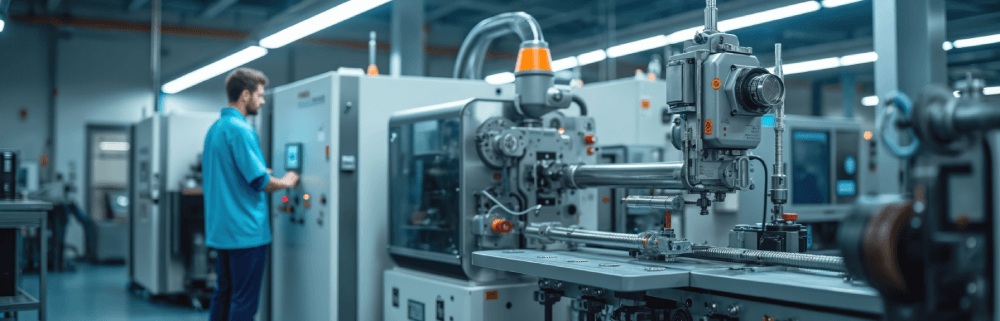
Key Responsibilities of a Machine Operator
1. Machine Operator Overview
- Machine Inspection: Performs daily inspection of machines.
- Job Prioritization: Selects jobs to process according to priority reports.
- Dimensional Measurement: Uses tools such as pin gages, calipers, and comparators to determine part dimensions.
- Etching: Etches parts to blueprint specs.
- Chemical Handling: Transfers etching chemistry to and from storage tanks.
- Preventative Maintenance: Performs scheduled preventative maintenance.
- Chemical Maintenance: Keeps machinery maintained to proper chemistry.
- Record Keeping: Records daily job and preventative maintenance information.
2. Machine Operator Job Description
- Overhead Crane Operation: Operate overhead cranes and perform daily operator inspections.
- Truck Loading: Load products on flatbed trucks.
- Forklift Operation: Take responsibility for operating the forklift.
- Production Assistance: Assist welders, benders, loaders, and/or line production.
- Workplace Maintenance: Maintain the work area and equipment in a clean, orderly condition.
- Safety Compliance: Work safely and follow company safety policies.
- General Production Support: Perform other job-related duties as assigned by the supervisor, including cleaning, scrap removal, and other production-related jobs.
3. Machine Operator Functions
- EPS Machine Operation: Operate machines for EPS foam production following the schedule issued by the Production Coordinator.
- Injection Molding Operation: Startup, operate and troubleshoot EPS injection molding machines to produce quality foam parts.
- Mold Change Coordination: Coordinate and monitor mold changes and equipment maintenance.
- Raw Bead Preparation: Prepare raw bead in the expander, and verify pre-expanded foam age is within range for production use.
- Team Management: Assign, manage and assist employees with regard to specific duties, such as manufacturing, stacking and wrapping foam, and assembling products following Company procedures.
- Product Quality Verification: Verify completed foam products meet quality standards in weight, size and form and are defect-free.
- Specification Compliance: Refer to product specifications for bead type, size, plate, tray dimensions and quantity.
- Quality Control: Perform QA/QC procedures and maintain records of bead expansion and foam production.
- Product Handling: Ensure that all completed products are placed on a cart and either transferred to C-Assembly or transferred to the dryer, then placed on a tray, wrapped and barcode labeled.
- Product Scanning: Scan and input the quantity for the completed product.
- Documentation: Complete and return the corresponding paperwork to the production scheduler daily.
- Material Maintenance: Maintain production levels of material including labels, trays and bead transfers from silos.
- Area Maintenance: Maintain clean and orderly production areas.
- Process Monitoring: Continually monitor and improve the flow and efficiency of production.
4. Machine Operator Job Description
- Automation Equipment Setup: Complete set-up operation on complex automation equipment (robotics, pneumatics, etc.) as per established procedures.
- Maintenance and Troubleshooting: Routine maintenance, minor repairs, and troubleshooting.
- Automation Operation: Operate automation equipment to produce the product as requested by management.
- Equipment Installation Support: Supporting new equipment installation and validation.
- Production Documentation: Document production runs.
- Equipment Development Assistance: Assist with the development/construction/debugging of new equipment.
5. Machine Operator Overview
- Machine Loading and Monitoring: Load machinery with supplies and monitor all aspects of production.
- Machinery Troubleshooting: Troubleshoot machinery and keep the workspace clean to optimize production.
- Team Collaboration: Work with the others on the team to ensure that production continues effectively.
- Log Maintenance and Cleanliness: Maintain strict logs and follow cleanliness protocols.
- Setup Procedures: Follow the set-up procedures.
- Machine Adjustments and Inspections: Make all necessary machine adjustments and all necessary inspections on the machine.
- Machine Cleaning and Maintenance: Responsible for maintaining and cleaning machines.
- Blueprint Reading: Read and review the blueprint specifications to determine the safest and most efficient way for the operator to perform the job.
6. Machine Operator Details and Accountabilities
- Policy Compliance: Responsible for adherence to company policies, including safety and the use of personal protective equipment.
- Product Monitoring: Assist in maintaining, monitoring, and controlling the finished product within the guidelines set in the product specifications.
- Issue Reporting: Report all problems and equipment issues that may inhibit production to the immediate supervisor.
- Lift Truck and Tool Operation: Operate a lift truck, power, or air tool to accomplish designated tasks.
- Production Troubleshooting: Assist in troubleshooting and the overall production process.
- Cross-Functional Collaboration: Work with other trades personnel and management personnel to maintain continuous plant operations/performance.
- Task Delegation: Delegate tasks to roofing production employees.
- Supervisor Feedback: Provide feedback to the Supervisor.
- Product Testing: Ensure all product testing is done and recorded.
- Work Area Maintenance: Maintain a clean and safe work area.
- Production Line Support: Assist with the maintenance and start-up of the Production Line.
7. Machine Operator Additional Details
- Material Feeding: Feed the materials into the molding machines.
- Machine Operation Controls: Push dual control buttons and move controls to start, stop, machinery, and equipment.
- Product Inspection: Inspect products for quality control.
- Part Trimming: Trim parts using trimming devices.
- Machinery and Area Maintenance: Clean and maintain machinery, equipment, and work areas to ensure proper functioning and safe working conditions.
- Safe Machine Operation: Operate machines and production equipment safely following instructions.
- Equipment Setup and Adjustment: Set up or adjust equipment according to manufacturing specifications.
- Output Quality Monitoring: Monitor the quality of output to identify or discard remanufactured faulty products.
- Production Recordkeeping: Maintain accurate daily production records so that manufacturing performance can be analyzed.
8. Machine Operator Essential Functions
- Job Execution: Run jobs according to appropriate work instructions.
- Machine Operation: Run jobs on machines.
- Documentation: Complete accountability, auditing, and postage tracking forms on each job.
- Machine Adjustment: Maintain machine adjustments to keep the machine operational.
- Preventive Maintenance: Perform basic preventive maintenance.
- Production Optimization: Maintain optimum production.
- Quality Assurance: Ensure predetermined quality standards are met.
- Supervisor Communication: Communicate with the supervisor about equipment malfunctions and downtime conditions, and other pertinent information.
- Operator Training: Assist and train other operators.
- ISO Compliance: Adhere to ISO specifications and requirements.
9. Machine Operator General Responsibilities
- CNC Machine Setup: Machine setups on CNC lathes, CNC mills, CMMs, engravers, and scales for all programs and part types, including production and/or engineering parts.
- Machine Inspection: Visual inspection of the machine for damage or wear.
- Blueprint and Drawing Interpretation: Blueprints and drawings for all processes - job orders, inspection criteria, verifying gage calibration, inspection report, and all tooling, its name, and function.
- Equipment Cleaning: Maintain clean equipment.
- Machine Lubrication: Machine lubrication (follow the operation manual specifications).
- Instruction Compliance: Follow written and verbal instructions.
- Skill Development: Develop the skills necessary for promotion consideration.
- Task Completion: Complete tasks as assigned by the management team.
- Departmental Support: Assist other departments with approval from the management team.
- CI/CORE Participation: Participate in CI/CORE activities.
- Work Area Maintenance: Maintain a clean and organized work area.
- Policy Compliance: Comply with all other Collins policies and procedures.
10. Machine Operator Responsibilities and Key Tasks
- Machine Operation and Assembly: Machine operation/assembly of oral care kits, following procedures and guidelines.
- Manual Labeling: Apply the label by hand.
- Equipment Operation: Equipment operation of the syringe, bottle filling, and brush head assembly equipment.
- Color Distinction and Hand Agility: Color distinction and hand agility.
- Production Line Setup: Participate in the set-up of the production line to assemble products with quality to comply with customers' regulations.
- Training Support: Support the team lead in the on-the-job training of personnel in the assembly line.
- Standard Work Compliance: Follow daily standard work to ensure consistency and discipline.
- 6’s Auditing: Carry out daily 6’s audits according to the program.
- Component Verification: Verify that component kits are a match against the work order.
11. Machine Operator Duties
- Material Preparation: Prepare work to be accomplished by gathering materials and supplies according to specifications on related work orders
- Equipment Setup: Set up or prepare saw and other cutting equipment for safe use by adjusting saw blades using wrenches and rulers or by turning hand wheels or pressing pedals, levers, or panel buttons
- Cut Planning: Examine lumber to plan the best cut
- Machine Operation: Stand and run machinery for extended periods of time
- Material Handling: Identify, grade, sort and store cut materials according to company specifications
- Material Processing: Provide cut materials according to company specifications using various types of cutting machines and other hand tools, i.e., a hammer for nail removal or a push block
- Quality Inspection: Inspect and measure work pieces to mark for cuts and to verify the accuracy of cuts using rulers, squares, caliper rulers, or tape measures
- Team Support: Contribute to team efforts by accomplishing other related duties
12. Machine Operator Details
- Print Interpretation: Read and interpret customer print requirements
- Machine Operation: Set up and operate different types of machinery
- Board Inspection: Test and inspect images of circuit boards
- Defect Documentation: Record defects and document quality data
- Cross Training: Cross-train on operations within the area
- Quality Monitoring: Monitor and produce product quality
- Material Provision: Provide the materials used in the production of the product
- Waste Management: Generate, accumulate and handle hazardous wastes generated in daily operations, as directed by the Environmental, Health and Safety Manager
- Safety Reporting: Responsibilities include reporting all accidents, near misses and safety concerns
13. Machine Operator Responsibilities
- Equipment Operation: Operate card production equipment and monitor the quality of output and machine performance
- Work Documentation: Confirm work receipt and complete other required paperwork
- Priority Management: Adapt to changing priorities, make plans to achieve those goals and implement them
- Machine Adjustment: Adjust machines using company-supplied hand tools and perform minor maintenance, asking questions and getting clarifications
- Independent Inspection: Work independently, performing quality inspections on own work to meet production standards
- Problem Identification: Identify potential production and quality problems, recommending remedial, corrective or contingency action
- Team Collaboration: Work with other operators, technicians and supervisory staff to assist with problems and to maintain an effective work environment
- Shift Communication: Ensure that all pertinent information related to shift carry over, including job and machine status, is conveyed to incoming operators during shift transitions
- Supply Management: Order supplies and maintain an organized workstation
- Training Participation: Attend appropriate training and meetings
14. Machine Operator Accountabilities
- Machine Operation: Ensure efficient and timely operation of mail machines following instructions on the work order form
- Mail Sorting: Ensure that all mail is sorted in an efficient and timely manner according to the instructions specified in the job bag requirements
- Production Reconciliation: Verify and record the number of pieces mailed, spoiled and reordered on the job bag form, ensuring complete reconciliation at the page, set and job levels
- Work Authorization: Responsible for initialing and dating all work completed
- Equipment Maintenance: Maintain the mailing machines by periodically removing dust and other foreign particles from the machine feeders and the belt
- Work Area Maintenance: Maintain the work area, which may include breaking down and disposing of boxes, removing empty skids and disposing of excess materials as instructed
- Performance Monitoring: Ensure equipment is operating at maximum performance and investigate any potential problem areas
- Corrective Action: Take corrective action to eliminate problems and improve effectiveness
- Documentation Control: Record all necessary documentation
- Process Testing: Test the product at various stages of processing
- Sanitation Procedures: Perform routine sanitation and clean in place of vessels, valves and process equipment
- Compliance Enforcement: Follow and enforce HACCP and GMP program requirements
- Team Collaboration: Work in a team environment and interact with employees from other departments
15. Machine Operator Functions
- Supply Availability: Ensure that various packaging supplies are available for immediate use.
- Sample Preparation: Make cutoffs, hand-stack cases and pull product samples for use in the library, cutting and analytical testing.
- Seal Verification: Assure that the product is correctly sealed according to specifications.
- Specification Compliance: Assure that all product specifications and Best Practices are met.
- Packaging Quality: Assure the quality of the packaging.
- Project Participation: Participate in testing and start-up issues related to projects.
- Sanitation Control: Assure that sanitation levels for the area are properly maintained.
- Equipment Troubleshooting: Troubleshoot equipment to assure proper operation and enter planned and unplanned work orders into the MIS systems.
- Preventive Maintenance: Perform assigned preventive maintenance on all equipment every other week.
- Waste Reduction: Investigate and implement ways to minimize waste in the area.
- Performance Review: Participate with the team to utilize a formal process of reviewing line performance, share action plans and make resource requests to improve line performance.
- Training Support: Help ensure that new associates in the area receive proper skills and safety training.
- Safety Compliance: Complete all tasks in the area abiding by Mars Safety Practices.
- Quality Compliance: Complete all tasks in the area as assigned by the manager, abiding by the Quality Practices and Mars Safety Practices.
Editorial Process and Content Quality
This content is developed by the Lamwork Editorial Team using structured analysis of real-world job data, skill requirements, and hiring patterns.
Research framework by Lam Nguyen, Founder & Editorial Lead.
Reviewed by Thanh Huyen, Managing Editor.
Learn more about our editorial standards.