WHAT DOES A LABORATORY ANALYST DO?
Published: Jan 05, 2026 - The Laboratory Analyst performs timely analytical work by applying strong sample preparation techniques, executing laboratory tests, and conducting calculations required for accurate chemical analysis. This role maintains standards, reagents, and consumable stock while ensuring data quality through the recognition and documentation of atypical conditions. The analyst also operates chemistry-based instrumentation such as ICP, GC-MS, and FTIR to support reliable analytical results in accordance with established standards.

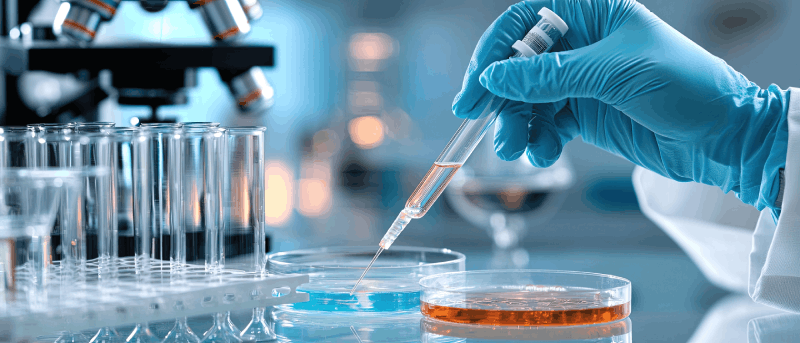
A Review of Professional Skills and Functions for Laboratory Analyst
1. Laboratory Analyst Duties
- Safety Compliance: Understands, implements, and maintains a safe work environment and good manufacturing practices with respect to procedural requirements and laboratory records and requirements
- Training Maintenance: Maintains training certificates for assigned job tasks
- Analytical Testing: Performs analytical or microbial test methods and data verification of lab results to support product and material release with minimal error
- Data Interpretation: Interprets experimental data for conformance with product and material specifications
- Exception Initiation: Initiates appropriate exception documents in accordance with procedural requirements
- Self Development: Accepts responsibility for acquiring knowledge and experience to support continual personal development
- Laboratory Techniques: Work in multiple laboratory functional areas and can effectively perform a multitude of laboratory techniques for which they are trained, with minimal error and the ability to adjust to unforeseen obstacles to accomplish assignments
- Time Management: Budget time effectively to carry out assigned tasks and take the initiative to be involved in team activities and decision-making
- Process Improvement: Makes suggestions for improvement based upon scientific and good manufacturing practices understanding
- Team Collaboration: Works with others to maintain a positive atmosphere to accomplish business objectives and is an active participant in the work structure and fostering positive working relationships with all levels of the organization
2. Laboratory Analyst Details
- Sample Preparation: Ensure that all tasks are performed within both the time restraints and the relevant analysis standards
- Preparation Techniques: Responsible for having a good understanding of sample preparation techniques
- Data Assessment: Develop an expertise such that atypical conditions are recognized and the impact on data quality is appropriately assessed and documented
- Analytical Calculations: Perform calculations when conducting analytical preparations
- Stock Control: Control consumable stock required for the tasks performed
- Laboratory Testing: Perform basic laboratory tests and analytical chemistry
- Reagent Management: Create and maintain standards and reagents
- Instrument Operation: Utilize chemistry-based instrumentation such as ICP, GC-MS, FTIR
3. Environmental Laboratory Analyst Responsibilities
- Record Management: Ensure that working records are completed and raw data is appropriately labelled
- Lab Housekeeping: General housekeeping of the laboratory and workstations
- Glassware Preparation: Prepare and clean the glassware required for reagent and standard preparation
- Sample Organization: Organizing and preparing the samples to be analyzed on the Discrete Analyzer instruments to ensure the client's required deadlines are met and to prioritize RUSH samples to meet client's requirements
- LIMS Worksheets: Creating LIMS worksheets for each test being done and assigning the samples to the worksheets, plus the required QC samples
- Traceability Coding: Adding the traceability code for each reagent and standard used for the samples to the individual worksheets
- Reagent Preparation: Preparing the required calibration standards, QC samples and reagents as outlined in the individual SOPs
- LIMS Documentation: Documenting the standard and reagent preparation details in the Reagentc module in the MaxxLIMS Applauncher
- Instrument Calibration: Performing daily instrument calibration for each test being performed and carrying out the required instrument maintenance activities
4. Environmental Laboratory Analyst Accountabilities
- Maintenance Logging: Filling out the Maintenance Log for each instrument daily
- Data Monitoring: Reviewing the analytical data while an analysis run is in progress to ensure sample results are acceptable for reporting
- QC Verification: Ensuring that the results for QC samples meet data acceptance criteria as outlined in the individual SOPs and initiating any required corrective actions or repeat sample analysis
- Nonconformance Documentation: Documenting non-conformances in the Bench Level Non-Conformance Log and notifying senior staff of non-conformances for sign-off and approval
- LIMS Reporting: Uploading and reporting the sample results into LIMS worksheets and entering the results for QC samples and Laboratory Control Samples into each control chart
- Simple Analysis: Perform simple analysis, including the operation of balances and pipettes
- TAT Compliance: Meet quality and turnaround time specifications required by the client and ensure samples are analysed within holding time requirements
- Workstation Updates: Provide the supervisor with updates on workstation status including advance notification of any delays
- Control Charting: Maintain control charts as per QA manual requirements, monitor for failure to meet tolerances and consult with the Supervisor regarding remedial action
5. Stability Laboratory Analyst Functions
- Personal Development: Develop, implement, and monitor the progress of their individual Personal development plan
- Data Verification: Ensure that relevant data is checked, approved, recorded and available for inspection in accordance with Good Manufacturing and Good Laboratory Practices
- Housekeeping Standards: Maintain high standards of laboratory and office housekeeping in his or her work areas
- Safety Compliance: Understand and follow all necessary Health and Safety systems and ensure that all work is consistent with safe working practices
- cGMP Delivery: Ensure cGMP-compliant delivery of their activities
- Performance Metrics: Understand and contribute to agreed metrics for the monitoring of performance and delivery
- Continuous Improvement: Support the continuous development of wider QC operations and continuous improvement programmes
- Quality Systems Support: Support the application and maintenance of laboratory quality systems
6. Stability Laboratory Analyst Overview
- cGMP Maintenance: Apply and maintain the cGMP processes, documentation, and systems that are relevant to their area and as delegated by laboratory management
- Process Improvement: Identify and escalate focused improvements to activities within their section where viable
- Regulatory Support: Provide support to Regulatory Authority inspections
- Activity Alignment: Ensure individual activities are aligned with those of the wider QC and OGS laboratory
- KPI Delivery: Deliver assigned tasks to meet or exceed OGS Key Performance Indicator targets
- Equipment Qualification: Ensure that OGS equipment and systems are maintained, calibrated, and qualified to appropriate standards
- Issue Communication: Communicate issues effectively and appropriately to ensure timely resolution with all relevant parties whilst maintaining the positive image of Reckitt and OGS
- Line Management Support: Provide support for OGS Line Management
7. Laboratory Analyst Details and Accountabilities
- IDPH Compliance: Maintaining IDPH laboratory certification by thoroughly reading, understanding, and adhering to 77 IL Administrative Code Part 465
- Audit Preparation: Prepare the laboratory ahead of the biannual IDPH audit including all logs and required information
- DMRQA Preparation: Prepare information for the annual laboratory DMRQA
- Technical Expertise: Provide technical expertise to assist in ensuring that correct interpretations are made and that there are no Notice of Violations
- Wastewater Analysis: Wastewater analysis of samples for BOD, TSS, ammonia nitrogen, fecal coliform, total phosphorus, and data reporting to various agencies and entities
- Bioassay Coordination: Coordination and collection of bioassay samples, effluent metals analysis and sludge management and analysis under the 503 Sludge Regulations
- Laboratory Disposal: Proper laboratory disposal methods such as operating the autoclave or preparing lab packs
- Documentation Practices: Responsible for supporting the Bulk Buffer, Reagents and Bead production laboratories by following good documentation practices and relevant SOPs
- Analytical Testing: Perform various analytical test methods
- Method Validation: Method transfer and validation including SOP edits
- Process Improvement: Implement improvement ideas in the lab that will positively affect production efficiency, Quality and Safety
8. Chemical Laboratory Analyst Tasks
- Laboratory Testing: Performs laboratory chemical and physical tests on materials
- Report Preparation: Prepares testing reports in a neat and organized manner, including all pertinent calculations, raw data, information and follows the laboratory's written procedures for reporting data
- Personnel Training: Assists in new laboratory personnel training
- Method Validation: Participates in the qualification and validation of new instrumentation and methods of analysis
- Procedure Improvement: Suggests improvement of laboratory testing procedures, techniques and instrumentation
- Technique Development: Keeps up-to-date with the new analytical techniques and instrumentation
- LIMS Operation: Works with LIMS systems and any laboratory computer system
- Procedure Documentation: Prepares Laboratory Procedures and technical reports
- Quality Investigation: Performs and documents Laboratory Investigations and Quality Events investigations
9. Laboratory Analyst Roles
- Method Development: Create new methods, techniques, and processes
- Customer Support: Perform testing and provide Customer Support
- UF6 Sampling: Sampling of UF6 from product cylinders and a continuous sampling vessel
- UF6 Testing: Perform laboratory testing of UF6 to demonstrate compliance with ASTM product specifications
- Instrument Calibration: Calibration and maintenance of laboratory instrumentation with the UF6 spec Lab
- Reagent Preparation: Preparation and standardization of laboratory reagents utilized for product analyses
- ISO Compliance: Ensure compliance with all ISO9001 and ISO14001 standards within the laboratory
- Operational Compliance: Perform work and activities within the framework of the Honeywell Operating System
- UF6 Handling: Safe removal of UF6 from S-2 sample cylinders to an intermediate cylinder for the recycling of material back into the process
- QC Support: Assist with analyses in the QC Laboratory
10. Chemistry Laboratory Analyst Additional Details
- Method Development: Define new methods to support the expansion of laboratory capabilities and improve existing method deficiencies
- SOP Development: Assist in developing Standard Operating Procedures
- Data Analysis: Review, evaluate, and analyze data from samples and provide database entry support
- Instrument Maintenance: Perform equipment and instrument maintenance
- Result Comparison: Compare sample results to a library of known results for the specific instrumentation and chemical being tested
- Photographic Documentation: Use photographic equipment to capture still images of evidence items to support analysis and documentation
- LIS Documentation: Document examination results and findings in the required Laboratory Information Systems and databases
- File Annotation: Annotate the file documentation detailing processing techniques and examination results
- File Review: Perform administrative and technical reviews of files, reports, and data
- Chain of Custody: Ensure a proper chain of custody for all evidence and samples is maintained
- Lab Housekeeping: Maintain a clean laboratory and personal workspace environment in accordance with laboratory procedures
Editorial Process and Content Quality
This content is developed by the Lamwork Editorial Team using structured analysis of real-world job data, skill requirements, and hiring patterns.
Research framework by Lam Nguyen, Founder & Editorial Lead.
Reviewed by Thanh Huyen, Managing Editor.
Learn more about our editorial standards.