WHAT DOES A GEOLOGIST DO?
Updated: Jan 20, 2026 - The Geologist conducts investigations and integrates geological, geophysical, and petrophysical data to improve hydrocarbon exploration and reservoir characterization. This position develops and implements technologies, methodologies, and reporting tools to support exploration efficiency, cost reduction, and mining operations. This role supports engineering teams through data collection, analysis, documentation, and contribution to technical publications and conferences.

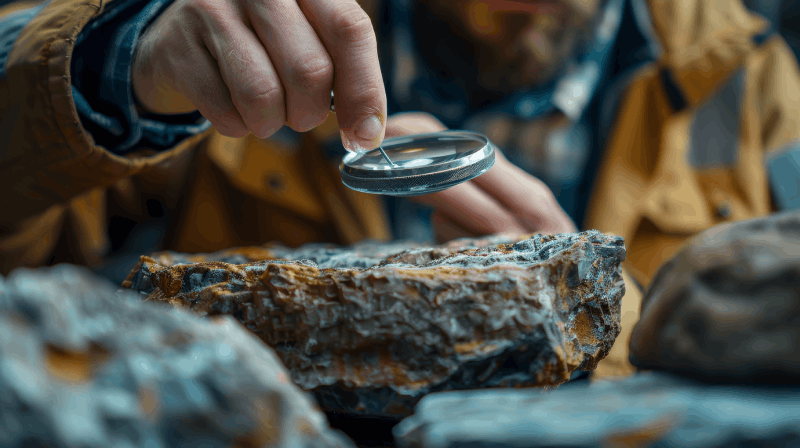
A Review of Professional Skills and Functions for Geologist
1. Geologist Details
- Sampling and Mapping: Daily sampling and mapping of underground headings.
- Core Logging: Logging of underground drill core.
- Data Entry: Data entry and upkeep of the 3D mine model.
- Collaboration: Collaborate with mine engineering, mine operations, and metallurgical departments to facilitate and recover planned resource extraction.
- Drilling Logging: Logging core and test hole drilling.
- Geologic Modeling: Capable of understanding computer-assisted geologic modeling and reserve estimation.
- Database Management: Managing geologic databases and associated diamond drill and underground sampling.
- Report Delivery: Design & deliver timely grade control reports to operations and management.
- Leadership: Provide leadership and be a role model for safety behaviors.
- Sample QAQC: Sample QAQC, geological and textural logging of RC samples.
- Drill Supervision: Supervision and co-ordination of RC/Diamond drill rig/s.
- Sample Validation: Validation of RC/Diamond drill sample logging.
- Stratigraphic Creation: Participation in the creation of stratigraphic surfaces based on geological and textural logging, field interpretations.
- Support: Support the senior geologist in meeting company objectives.
2. Geologist Responsibilities
- Borehole Oversight: Provide oversight during borehole drilling and prepare descriptions of geologic samples from drill cuttings (we often drill down to depths over 1,000 feet).
- Log Interpretation: Review and interpret geophysical logs to define the underlying geologic formations.
- Well Inspection: Inspect the installation of groundwater monitoring wells.
- Well Construction: Inspect and document the construction of municipal and agricultural supply wells.
- Subcontractor Coordination: Coordinate with and provide oversight of subcontractors and drilling crews.
- Well Testing: Perform well tests to document production well capacity and collect groundwater samples.
- Water Level Analysis: Analyze changes in pumping water levels, sand production, and electrical consumption to evaluate the health of a well and pumping equipment.
- Sample Collection: Collect groundwater samples and submit them to the laboratory for analysis.
- Program Preparation: Prepare rehabilitation and modification programs to improve water quality and increase capacity in older wells.
- Crew Oversight: Provide oversight of drilling crews during the implementation of well rehabilitation and/or modification programs.
- Geologic Studies: Perform geologic and hydrogeologic studies throughout California, including field work, and other hydrogeologic and geologic tasks.
- Literature Search: Conduct literature searches for appropriate geologic and hydrogeologic data.
- Database Review: Review and compile databases for groundwater levels, water quality, and well construction.
- Data Processing: Process data and prepare charts to analyze trends in groundwater levels (hydrographs) and water quality.
3. Geologist Job Summary
- Field Investigations: Perform geotechnical field investigations, site inspections, and construction observations and testing
- Data Analysis: Perform analyses of collected field data, laboratory data and published data for the purpose of developing safe and efficient geotechnical design recommendations for building foundations, slopes, retaining walls, landfills, levees, dams, pavement, and bridges
- Geologic Evaluation: Perform conventional geologic evaluation tasks, e.g., geologic maps and cross-sections, borehole and trench logs, and written descriptions of materials and ground conditions
- Hazard Evaluation: Perform geologic hazard evaluations
- Report Preparation: Prepare and/or assist in the preparation of design reports for various geotechnical structures
- Rig Supervision: Supervising diamond drill and reverse circulation rigs
- Core Logging: Logging diamond core and RC chips
- Safety Compliance: Ensuring health, safety and environmental regulations are followed
- Report Compilation: Compiling technical and drilling summary reports
- Team Collaboration: Working alongside field assistants, drillers and offsiders
- Cross-Section Preparation: Prepare a geologic and hydrogeologic cross-section utilizing geologic and geophysical data
- Data Responsibility: Take responsibility for data analysis, report writing, groundwater sampling plans, and sub-contractor coordination
- Support: Provide support for all project phases, ranging from proposal to field tasks to report preparation
4. Geologist Accountabilities
- Project Support: Work activities support various aspects of environmental projects that may include preliminary environmental document preparation, environmental permitting, storm water system evaluation and inspection, environmental due diligence, environmental site characterization, compliance inspections, and environmental site closure phases.
- Task Completion: Completing well-defined tasks using established company procedures and policies.
- Problem Solving: Solve routine problems by completing the assigned tasks as encountered.
- Contractor Supervision: Supervising contractors and may also include mentoring and training less-experienced personnel.
- Data Interpretation: Office work will include the interpretation and presentation of collected data in reports that include text, tables, and figures suitable for client and regulatory review.
- Instrumentation Use: Work will often involve the use of complex instrumentation or equipment and may include installation, calibration and/or maintenance of equipment or instrumentation associated with a particular job site.
- Technical Application: Apply technical skills and knowledge to complete the assigned work and will be expected to manage his/her own time to meet deadlines set by others.
- Record Maintenance: Generate and maintain detailed and accurate records both manually and by computer methods.
- Project Collaboration: Candidate will work closely with Project Managers in implementing project tasks to meet client objectives and priorities.
- Policy Compliance: Comply with all company policies and procedures during the execution of work.
5. Geologist Functions
- Point Marking: Marking and measurement of points in open pits (ore, gravel, roads etc.).
- Geology Mapping: Mapping of the geology in the open pit and quality control of ore and gravel production.
- Manager Contact: Daily contact with the opencast manager and site manager in accordance with the current production plan.
- Geologist Contact: Regular contact with the chief geologist who is currently.
- Plant Inspection: Regular inspection in process plants in order to check the quality/quantity of the corundum produced.
- Sorting & Packing: Daily sorting and packing of corundum in the corundum room/process plant.
- Exploration Participation: Participate in exploration during the summer months in collaboration with the chief geologist.
- Task Planning: Planning of daily and weekly tasks in the open pit (production planning).
- Report Preparation: Daily, weekly and monthly reports.
- Map Updates: Updating maps of the open pit and operating plans in accordance with current routines and instructions.
- Data Reporting: Regular reporting of data to Norwegian geologists.
- Solution Optimization: Work with solution optimization of various issues and including work procedures.
6. Geologist Job Description
- Exploration Assistance: Assisting with planning and conducting exploration activities at Southern Cross operations.
- Target Development: Developing exploration targets and other exploration work.
- Drilling Implementation: Implementation of drilling programs.
- Data Logging: Accurate logging and sampling of all drilling including data validation.
- Data Assessment: Collating and assessing all available data in project areas to identify potential targets.
- Map & Sampling: Map and sample new project areas to identify and generate targets.
- Geological Plans: Produce geological plans, cross sections and long sections with geological interpretation.
- Resource Management: Manage opportunities, studies and projects for OSC NI 43-101 (or similar) compliant Mineral Resource statements.
- Model Preparation: Prepare geological models in accordance with project requirements.
- Client Relationships: Develop client relationships to identify and maximize business opportunities for RPM.
- Scope Requirements: Scope client requirements accurately and ensure work activities are carried out to the client’s satisfaction.
- Team Leadership: Lead and mentor senior and principal geologists.
- Global Collaboration: Work on RPM projects as part of the Advisory global resource pool.
- Geostatistical Analysis: Work with geostatistical data and software to provide analysis.
7. Geologist Overview
- Geological Investigations: Carry out investigations into geological and petrophysical problems related to hydrocarbon exploration and/or reservoir characterization, which may include one of the following disciplines including quantitative geology and advanced petrophysics.
- Data Analysis: Conduct analyses, interpretations, and integrations of geological, geophysical, and petrophysical data to develop technologies that contribute to increasing discovery and reducing cost of exploration.
- Technology Development: Deliver and deploy methodologies, workflows, algorithms, software and hardware that can directly impact the exploration and reservoir characterization businesses.
- Report Preparation: Prepare reports and oral presentations of the outcome of the geological/petrophysical studies for review by management.
- Patent Application: Prepare patent applications and actively publish journal and conference publications.
- Conference Attendance: Attend meetings and conferences that contribute significantly to advancing the individual's expertise.
- Miscellaneous Duties: Perform other miscellaneous duties as directed by the Manager.
- Engineering Support: Assist with various Mine Engineering and Geological duties and projects to support the Nutrien Engineering, Technology and Capital department.
- Data Interpretation: Collect & interpret mine ventilation and rock mechanics data.
- Data Compilation: Review, compile and validate data related to mine processes.
- Documentation: Report and document preparation.
- Ground Control: Assistance with ground control reporting.
- Mine Operations: Supporting mine engineering and potash mining operations.
8. Geologist Details and Accountabilities
- Field Mapping: Mapping field data acquisition campaigns around 17 swings per year from end of March to end of November on an 8/6 roster.
- Geological Mapping: Creating quality geological maps to enable reliable surface outcrop data to assist with drill designs and 3D geological models.
- Target Generation: Assisting with target generation to deliver the discovery and advancement of projects.
- Structural Analysis: Assisting with structural analysis of project areas.
- Project Supervision: Supervising specific components of project work
- Project Contribution: Contributing to project work and continuous improvement initiatives.
- Internal Collaboration: Collaborating with internal partners to ensure business alignment.
- Long-Term Planning: Contributing to long-term planning in line with business needs and to allow evaluation of business opportunities.
- Workplace Safety: Supporting a safe workplace through adherence to company safety processes and standards.
- Teamwork Culture: Creating a culture of teamwork through collaboration with peers across the Resource Development division.
9. Geologist Tasks
- Site Investigation: Assist with environmental site investigation and remediation projects.
- Sample Collection: Collect soil, groundwater, indoor air, and waste samples.
- Compliance Inspections: Conduct regulatory compliance inspections (stormwater and SPCC).
- Data Evaluation: Evaluate and interpret data.
- Core Logging: Conduct environmental drilling, core logging (USCS classification), geologic evaluation.
- Report Preparation: Assist with preparing project plans and technical reports.
- Due Diligence: Perform environmental due diligence research to support property transactions.
- Compliance Support: Provide general environmental compliance support to clients.
- Safety Planning: Prepare site Health and Safety Plans (HASPs).
- Work Practices: Implement safe work practices in the field in accordance with the HASP.
- Client Representation: Represent WSP to client’s and subcontractors in a professional manner.
- Regulatory Support: Support state and federal environmental regulatory permitting projects.
- Talent Offering: Offering motivated individuals with the right talent is the essence of meeting client’s objectives, goals, and challenges.
10. Geologist Roles
- Geological Analysis: Provide geological analysis for mining activities.
- Mine Planning: Provide mine planning and production personnel with data on the geological conditions predicted for mining.
- Coal Recovery: Ensure maximum coal recovery in the most cost-effective and safe manner.
- Report Preparation: Provide daily, weekly and monthly reports about coal activities (inventory, supply, reconciliation, inspection).
- Team Contribution: Actively contribute to positive teamwork within the pit engineering group and the environment at all times.
- Issue Communication: Communicate geological issues to the team.
- Field Leadership: Lead field activities for soil and groundwater assessment to identify contamination impact and related concerns, drilling oversight, soil logging, monitoring well installation, well development, purging and sampling, and aquifer testing.
- Data Interpretation: Assist in data interpretation.
- Investigation Management: Design, implement and manage various soil and groundwater investigations and remedial projects.
- Monitoring Reports: Complete routine groundwater monitoring reports.
- Safety Work: Work safely and effectively, autonomously and as part of a small, dynamic team.
- Stakeholder Relations: Establish and maintain positive relationships with contractors, external departments, technical specialists, and relevant stakeholders.
- Rig Supervision: Assisting with supervision of AC, RC and DD rigs, including data capture and entry, QAQC and data validation.
Editorial Process and Content Quality
This content is developed by the Lamwork Editorial Team using structured analysis of real-world job data, skill requirements, and hiring patterns.
Research framework by Lam Nguyen, Founder & Editorial Lead.
Reviewed by Thanh Huyen, Managing Editor.
Learn more about our editorial standards.