GEOTECHNICAL ENGINEER SKILLS, EXPERIENCE, AND JOB REQUIREMENTS
Updated: Jun 22, 2026 - The Geotechnical Engineer possesses a strong understanding of geotechnical design and review processes, including shoring and excavation, field monitoring, and compliance with city bylaws and municipal development permits. The role excels in writing technical reports and engaging with stakeholders, ensuring effective communication and the ability to navigate complex multi-disciplinary projects. This position demonstrates excellent organizational, analytical, and problem-solving skills, efficiently manages competing demands while maintaining positive relationships and utilizes software like ESRI (ArcGIS) to manage data.
Essential Hard and Soft Skills for a Standout Geotechnical Engineer Resume
- Project Development
- Geotechnical Advice
- Site Investigation
- Fee Bids
- Technical Documents
- Foundation Design
- Geotechnical Testing
- Soil Classification
- Engineering Calculations
- Geotechnical Software
- Mentoring Support
- Practice Innovation
- Team Mentoring
- Client Relations
- Business Development
- Technical Support
- Site Supervision
- Safety Tools
- Collaboration Skills
- Project Management

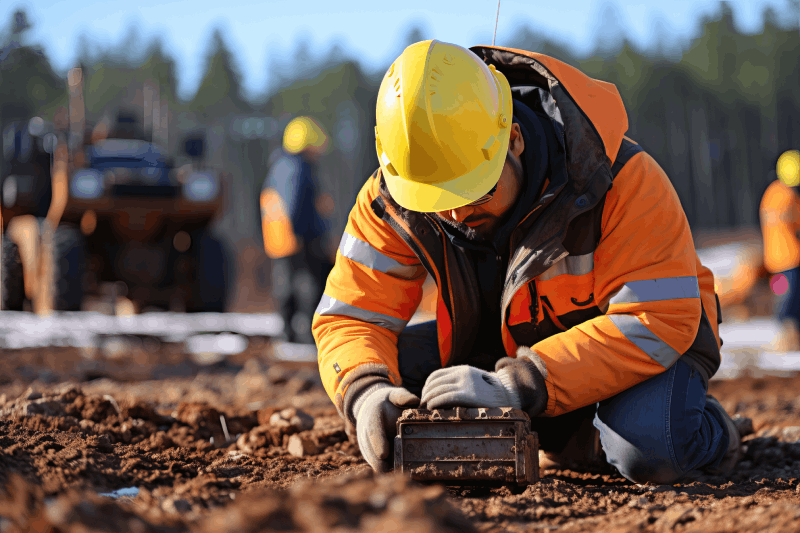
Summary of Geotechnical Engineer Knowledge and Qualifications on Resume
1. BS in Civil Engineering with 4 years of Experience
- Experience in subsurface explorations, laboratory testing, foundation engineering, analysis, engineering report writing, and preparation of contract documents.
- Experience with geotechnical engineering software, GeoStudio or UTEXAS, LPile and gINT
- Knowledge of AutoCAD
- Experience in dams, tunnels, seismic design, or geo-environmental projects
- Good time management skills and the ability to contribute to the project by being a team player
- Strong academic background and solid understanding of soil mechanics and local Florida soils and geology
- Experience with Site Closure and Construction QAQC
- Experience with Stormwater/Process Water Management
- Experience with drilling, field investigations, and laboratory testing
- Good communication, report writing, interpersonal and presentation skills
- Superior time management, planning and ability to interact with clients
- Proficient with Microsoft Word, Excel, and Outlook
- Proficiency with geotechnical analysis software
2. BS in Geotechnical Engineering with 2 years of Experience
- Knowledge of soil mechanics theory and laboratory testing techniques.
- Good verbal and written communication skills.
- Computer skills include CADD, Microsoft Office.
- Knowledge of and experience with Ensoft LPile and Group, GeoStudio Slope and Sigma, GRLWeap, Civiltech Shoring Suite, Bentley gINT, Bentley MicroStation, and AutoCAD
- Excellent ability to work as part of a team, organizational skills, meticulousness and time management skills
- Experience in digital modelling
- Experience with ground conditions such as work as a geologist, geophysicist, geotechnical or geological engineer
- Experience performing field work as a technician or technical consultant
- Experience delivering projects for municipal, state, and/or federal clients
- Experience with document controls, construction management, or another construction-related field
- Strong communication skills with internal team members and external clients
- Experience in modeling a client-focused, value-added orientation on every project
3. BS in Environmental Engineering with 3 years of Experience
- Experience with Earth retention systems design
- Experience with Shallow and deep foundation design
- Experience with Ground improvement techniques
- Experience with drilling oversight and soil and rock classification
- Experience with construction oversight
- Experience with subgrade observations, observation of backfill and compaction, deep foundation installation, etc.
- Ability to work independently or with a team in a multi-disciplinary environment
- Excellent written and verbal communication skills
- Ability to communicate effectively, both verbally and in writing, to a diverse educated audience
- Ability to develop and maintain awareness of occupational hazards and safety
- Skilled in following safety practices and recognizing hazards
- Knowledge in the principles and practices of Civil, Geologic, Geotechnical, or Hydrologic Engineering or a related field of Science or Engineering
- Knowledge of appropriate software (MS Office, AutoCAD) and Geotechnical analysis
4. BS in Geological Engineering with 5 years of Experience
- Expert Knowledge of engineering principles of design.
- Expert Knowledge of Microsoft business software (Excel, Word, etc.).
- Excellent verbal and written communication skills.
- Knowledge of federal, state, and local regulations as they apply to engineering projects.
- Experience in geotechnical engineering software, i.e., GeoStudio Suite of programs, LPile, APile, GROUP (or similar programs), Plaxis, FLAC, and Geothermal programs, etc.
- Knowledge of FLAC 2D/3D or Plaxis 2D/3D
- Experience in the design of deep geothermal well systems.
- Experience on water, wastewater, and water resources projects with municipal, state, and federal agencies.
- Experience in transportation projects.
- Experience in tunnels (rock and soft ground), micro-tunneling, freeze shafts, horizontal directional drilling (HDD), ground treatment/improvement technologies (grouting, deep soil mixing, deep shafts and excavation support systems, or geo-environmental projects.
- Experience with staff management, project management, and business development
- Experience with geotechnical investigations and designs.
- Knowledge of geotechnical engineering principles related to transportation, facilities or other projects.
5. BA in Earth Sciences with 3 years of Experience
- Knowledge and understanding of geotechnical design and reviews regarding development, including but not limited to shoring and excavation, field review and monitoring
- Knowledge of municipal government and its roles, responsibilities, and operations
- Knowledge of geotechnical principles and techniques, City bylaws, and the municipal development permitting processes
- Understanding federal, provincial, and regional requirements related to geotechnical engineering
- Excellent written and verbal communication skills with a variety of stakeholders, with experience writing technical reports
- Excellent time management and organizational skills with the ability to effectively and efficiently prioritize actions in response to numerous and diverse demands
- Excellent analytical, critical thinking and problem-solving skills
- Ability to understand multi-disciplinary designs and concepts depicted on construction drawings
- Ability to exercise independent judgement, diplomacy, and tact
- Ability to develop and maintain positive, productive relationships at all levels in the organization and external stakeholders
- Proficient in the use of data management software such as ESRI (ArcGIS)
6. BS in Structural Engineering with 4 years of Experience
- Experience providing geotechnical guidance and similar tasks
- Experience with the development and implementation of plans, designs, and specifications.
- Experience performing subsurface explorations, logging borings, and performing laboratory testing.
- Ability to pass a background check and OSHA physical.
- Experience with energy-related projects, specifically renewable energy (wind, solar, etc.).
- Experience performing stormwater analysis and developing Stormwater Pollution Prevention Plans.
- Experience working with regulatory agencies and permitting construction projects.
- Strong computer skills using Microsoft Office programs and analytical programs (such as Geostudio SlopeW, Lpile, Group, Apile, GRLWEAP, Snail, Slide, Ressa, Fossa and MSEW) for geotechnical analysis.
- Experience working on project teams.
- Knowledge of the purposes and uses of geotechnical monitoring instruments such as inclinometers and piezometers.
- Knowledge of 3-D CAD design and drawing.
- Experience responding to maintenance requests and emergencies.
Editorial Process and Content Quality
This content is developed by the Lamwork Editorial Team using structured analysis of real-world job data, skill requirements, and hiring patterns.
Research framework by Lam Nguyen, Founder & Editorial Lead.
Reviewed by Thanh Huyen, Managing Editor.
Learn more about our editorial standards.