ELECTROMECHANICAL DESIGNER SKILLS, EXPERIENCE, AND JOB REQUIREMENTS
Updated: Mai 29, 2025 - The Electromechanical Designer possesses strong proficiency in AutoCAD, Creo Parametric, and Mentor Graphics PADS for PCB design, along with extensive experience in high-voltage cabling and diagnostic equipment design. This position demonstrates a solid understanding of ASME Y14.5M standards and electro-mechanical drafting techniques. The designer also excels in solving technical problems, managing multiple tasks, and effectively interpreting engineering drawings and specifications.
Essential Hard and Soft Skills for a Standout Electromechanical Designer Resume
- CAD Software
- Electrical Circuit Design
- Mechanical Design
- Prototyping
- 3D Modeling
- Schematic Drawing
- Programmable Logic Controllers
- Manufacturing Process Knowledge
- Thermal Analysis
- Structural Analysis
- Problem-Solving
- Communication
- Attention to Detail
- Time Management
- Teamwork
- Adaptability
- Critical Thinking
- Creativity
- Leadership
- Conflict Resolution

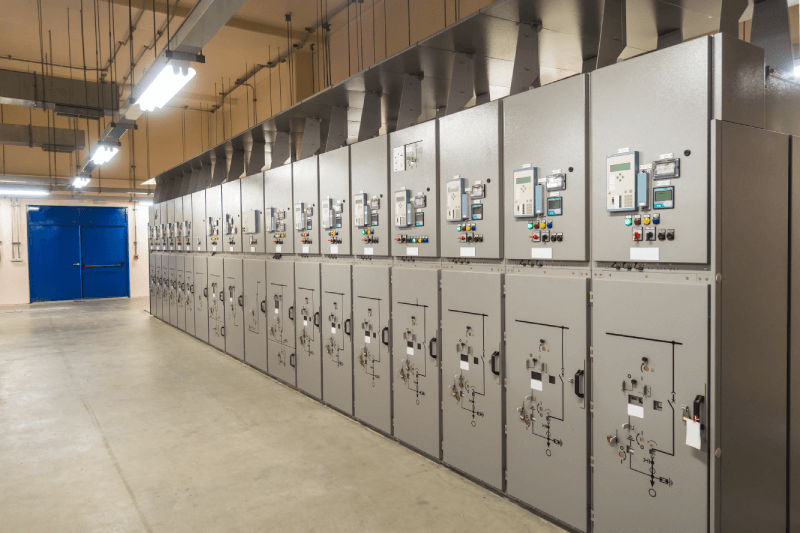
Summary of Electromechanical Designer Knowledge and Qualifications on Resume
1. BS in Electrical Engineering with 3 years of Experience
- Experience as a design engineer of an industrial equipment manufacturing company
- Ability to manage multiple projects and multi-task
- Commitment to innovation and problem-solving, "roll up the sleeve" approach
- Able to design on a CAD system (SolidWorks/AutoCAD)
- Perform complex engineering calculations
- Excellent verbal/written communication skills
- Must possess excellent organizational and planning skills
- Self-motivated with a positive and professional approach to management
- Enjoy working with hands
- Use basic hand tools and measuring implements
- Strong 2D drafting skills
- Basic understanding of GDandT and Stack Analysis
2. BS in Electromechanical Engineering with 4 years of Experience
- Mechanical design experience, where part of the experience is in the field of power electronics
- Experience working in cable harness design
- Work experience in busbar design
- Experience in the design of electronic enclosures and housings
- Knowledge in design for compliance with creepage and clearance
- Strong hands-on computer-aided design skills
- Excellent analytical skills, especially in the field of design for safety, production, and serviceability
- Experience working in international teams and with customers
- Excellent English, written and oral skills
- Ability to work under high pressure and tight deadlines, excellent time management
- Experience in a start-up environment
- Ability to work well with others in a team environment, as well as independently
3. BS in Mechanical Engineering with 6 years of Experience
- Proficient user of AutoCAD, Creo Parametric, Creo Schematics, GerbTool, and database management (Windchill) software.
- Proficient user of Mentor Graphics PADS PCB design software.
- Expertise in the selection of high voltage, fiber-optic, control, and communication cabling, terminations, and connectors
- Extensive experience in the design of components and hardware related to diagnostic and testing equipment.
- Certificate in Engineering Technology- Electro-Mechanical Drafting with related experience
- Intermediate knowledge of the standards, procedures, and techniques related to drafting
- Knowledge of ASME Y14.5M Geometric Dimensioning and Tolerancing Standard.
- Ability to solve moderately complex technical problems.
- Understanding of function, fabrication, processes, and packaging of electronic systems and mechanical hardware.
- Ability to read and follow engineering notes, sketches, drawings specifications, and procedures.
- Effective written and verbal communication and presentation skills.
- Be able to handle multiple tasks simultaneously
Editorial Process and Content Quality
This content is developed by the Lamwork Editorial Team using structured analysis of real-world job data, skill requirements, and hiring patterns.
Research framework by Lam Nguyen, Founder & Editorial Lead.
Reviewed by Thanh Huyen, Managing Editor.
Learn more about our editorial standards.