ELECTRICAL INTERN SKILLS, EXPERIENCE, AND JOB REQUIREMENTS
Updated: June 02, 2025 - The Electrical Intern gains hands-on experience in soldering and prototype making, operating oscilloscopes, and data loggers. Develops a robust understanding of engineering materials and testing, coupled with programming skills in C/C++, Python, and embedded systems. Exhibits strong analytical, organizational, and communication skills, thriving in team-based environments and displaying high initiative.
Essential Hard and Soft Skills for a Standout Electrical Internship Resume
- Soldering
- Prototype Making
- Oscilloscope Operation
- Data Logging
- Engineering Material Testing
- Programming
- Circuit Analysis
- PCB Design
- Electrical Troubleshooting
- CAD Software Proficiency
- Analytical Thinking
- Problem Solving
- Teamwork
- Communication Skills
- Initiative
- Motivation
- Planning
- Organizational Skills
- Interpersonal Skills
- Adaptability

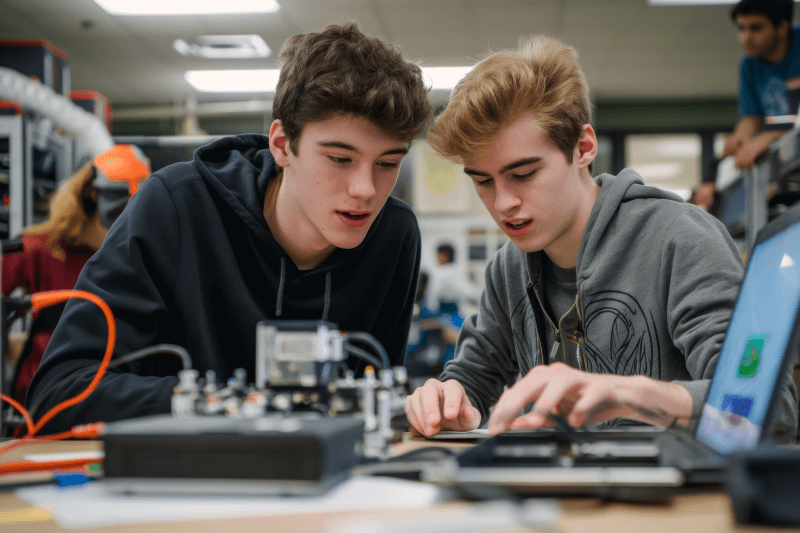
Summary of Electrical Internship Knowledge and Qualifications on Resume
1. BA in Electrical Engineering with 1 Year of Experience
- Experience Some prior volunteer or work experience
- Functional Competencies Working computer skills using MS Office Suite (Word, Excel, Outlook and PowerPoint)
- Basic knowledge of engineering and economic principles and concepts Basic research skills Working knowledge of common software applications within the field General Competencies
- Working accuracy skills
- Working organization and prioritization skills
- Working decision-making skills
- Basic project management skills
- Working written and oral communication skills
- Working problem-solving skills
- Working analytical-thinking skills
2. BS in Electronics and Communication Engineering with 2 Years of Experience
- Excellent verbal, written and interpersonal skills
- Strong sense of urgency and self-initiative to meet client deadlines
- Detail-oriented
- Team player with the ability to contribute to a positive work environment
- Ability to work independently and balance multiple priorities
- Applicable internship experience and/or work experience
- Working knowledge of AutoCAD, Civil 3D, Excel, Microstation, Synchro, VISSIM, and/or GIS
- Proficient in the use of Microsoft Word, Excel and Outlook.
- Demonstrate and develop hands-on lab skills
- Demonstrating the ability to solicit, receive, and administer feedback.
3. BS in Mechatronics Engineering with 1 Year of Experience
- Hands-on experience in soldering and prototype making
- Good working knowledge of operating oscilloscope and data logger
- Good understanding of engineering materials and data testing
- Good analytical and problem-solving skills
- Ability to work in a team-based environment
- Good communication skills (both verbal and written)
- Knowledge of Programming language (C/C++, real time embedded system, python etc)
- High level of initiative and motivation.
- Excellent planning and organizational skills.
- Strong interpersonal skills and ability to work with others
Editorial Process and Content Quality
This content is developed by the Lamwork Editorial Team using structured analysis of real-world job data, skill requirements, and hiring patterns.
Research framework by Lam Nguyen, Founder & Editorial Lead.
Reviewed by Thanh Huyen, Managing Editor.
Learn more about our editorial standards.