General Maintenance Engineer Skills, Experience, and Job Requirements
Updated: Jan 06, 2026 - The General Maintenance Engineer adeptly handles routine plumbing, electrical repairs, and general maintenance tasks. This position promptly identifies potential issues and implements effective solutions, ensuring adherence to safety standards in chemical handling and tool usage. The engineer also excels in managing multiple tasks autonomously, prioritizing effectively and demonstrating proficiency in HVAC systems, painting, and drywall techniques. This role requires fluency in English, both written and spoken, and maintains high communication standards across all job functions.
Essential Hard and Soft Skills for a Standout General Maintenance Engineer Resume
- Electrical troubleshooting
- Mechanical repair
- HVAC systems maintenance
- Plumbing
- Welding
- Preventative maintenance
- Blueprint reading
- Computer-aided design (CAD)
- Equipment calibration
- Safety compliance
- Problem-solving
- Communication
- Attention to detail
- Time management
- Adaptability
- Teamwork
- Leadership
- Stress management
- Organizational skills
- Customer service

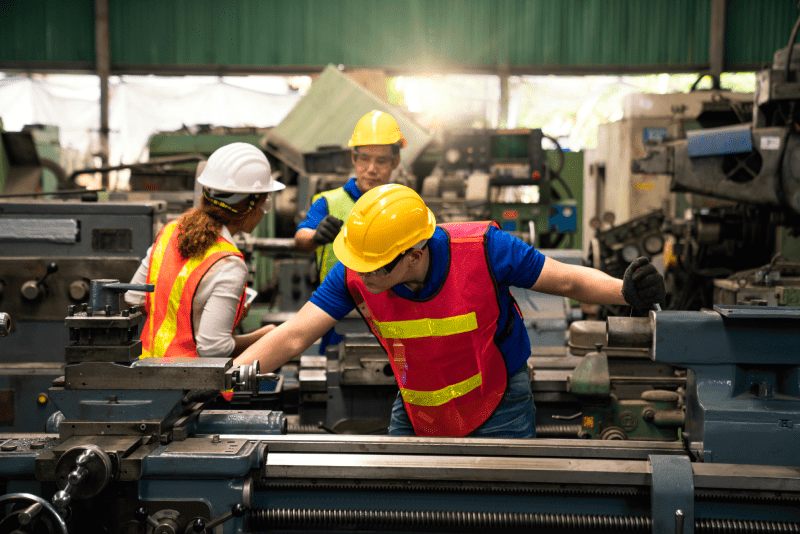
Summary of General Maintenance Engineer Knowledge and Qualifications on Resume
1. BS in Mechanical Engineering with 2 years of Experience
- Strong time management skills
- Clear, concise, written and verbal communication skills
- Strong customer service and reasoning skills
- Strong problem-solving skills with exceptional detail
- Experience in performing routine maintenance on equipment and determining when and what kind of maintenance
- Experience in repairing machines or systems using the needed tools
- Experience in determining the causes of operating errors and deciding what to do about them
- Experience in installing equipment, machines, wiring, or programs to meet specifications
2. BS in Electrical Engineering with 3 years of Experience
- Experience in determining the type of equipment needed to do a job
- Ability to arrange things or actions in a certain order or pattern according to a specific rule or set of rules (e.g., patterns of numbers, letters, words, pictures, mathematical operations).
- Have excellent communication and organization skills.
- Able to work in a fast-paced and dynamic operation.
- Able to maintain clean and healthy personal hygiene and grooming.
- Able to handle multiple tasks at once time.
- Able to consistently delight and satisfy guests.
- Able to handle guest requests in a detailed manner.
- Experience in soldering copper pipe
- Experience with pool maintenance
3. BS in Industrial Engineering with 2 years of Experience
- Ability to conduct routine maintenance in plumbing, electrical and general repair skills
- Ability to analyze potential problems and suggest corrective actions
- Knowledge/experience of plumbing and electrical trades
- Knowledge of proper chemical handling and disposal procedures
- Knowledge of the proper use of power and hand tools
- Fluency in English, both verbal and non-verbal communications
- Ability to prioritize tickets and tasks accordingly.
- Ability to work and perform job functions with minimal direct supervision.
- Knowledge of HVAC and refrigerant systems
- Experience in painting and drywall
Editorial Process and Content Quality
This content is developed by the Lamwork Editorial Team using structured analysis of real-world job data, skill requirements, and hiring patterns.
Research framework by Lam Nguyen, Founder & Editorial Lead.
Reviewed by Thanh Huyen, Managing Editor.
Learn more about our editorial standards.